What is blush blocking, exactly?
Blush blocking is a placement technique, not a new product category. Instead of the classic 'smile and apply to the apples' method, colour is applied higher on the face — just above the cheekbone or even slightly under the eye — then blended upward and outward toward the temples. The result reads as lift and sculpt rather than a flush of colour, which is why it's being positioned as a blush-only alternative to bronzer contouring.
Celebrity make-up artist Nikki DeRoest told Who What Wear that 2026 will be defined by a real 'cheek-first' approach to makeup, describing the shift away from all-over glow toward more deliberate, sculptural blush placement. It's a styling call, in other words, not a scientific one — this is a technique trend, not a skincare claim.
How do you actually do it?
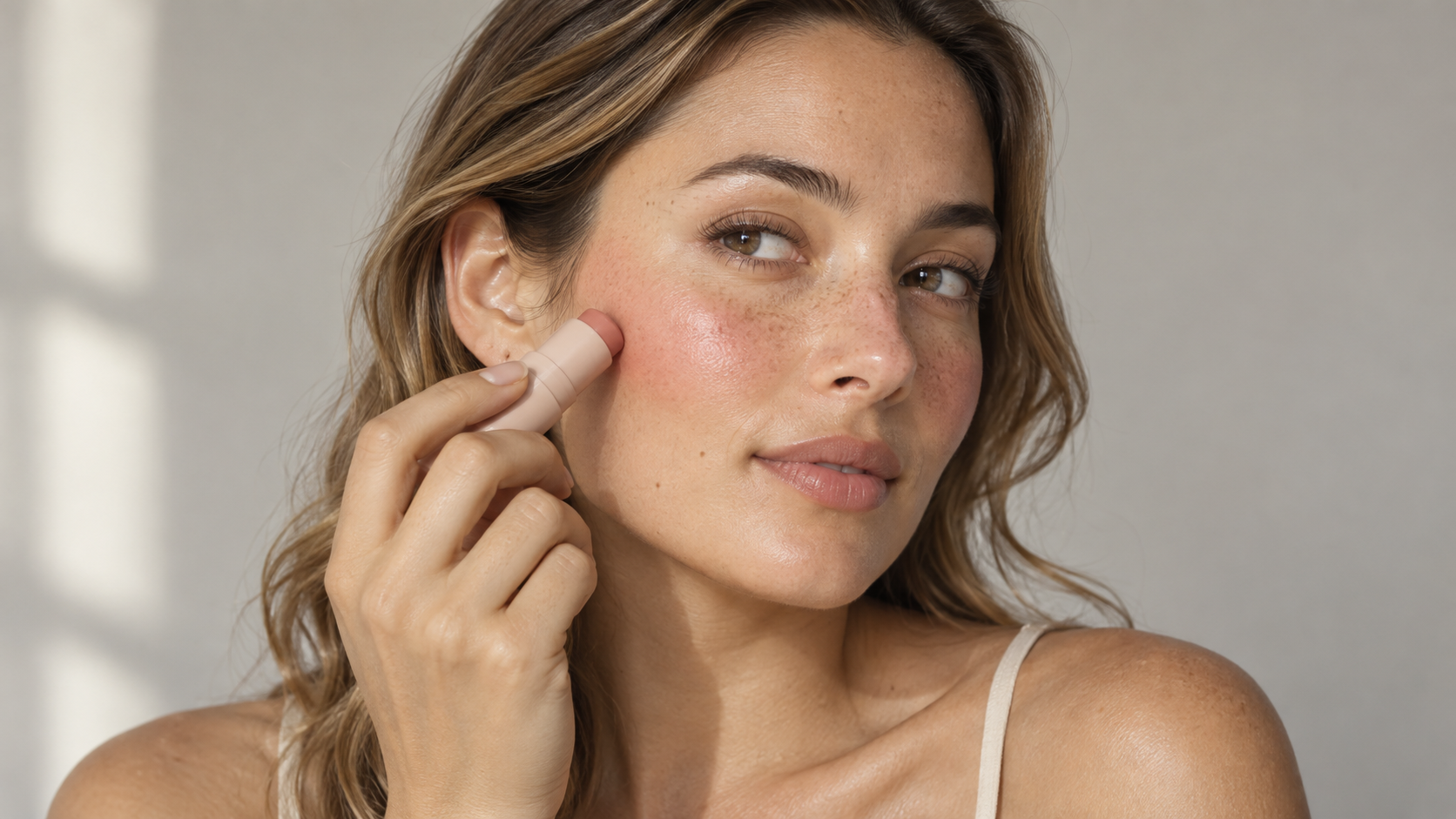
- Locate the hollow just under your cheekbone (suck your cheeks in briefly if you need a guide) and apply blush there, rather than on the round of the cheek.
- Blend upward and outward toward the hairline using a brush, damp sponge or clean fingers — the edges should soften, but the core of the colour should stay visible rather than being buffed away entirely.
- Layer two tones for depth: a deeper, more muted shade lower down, with a brighter or shimmer-flecked shade swept higher, closer to the temple.
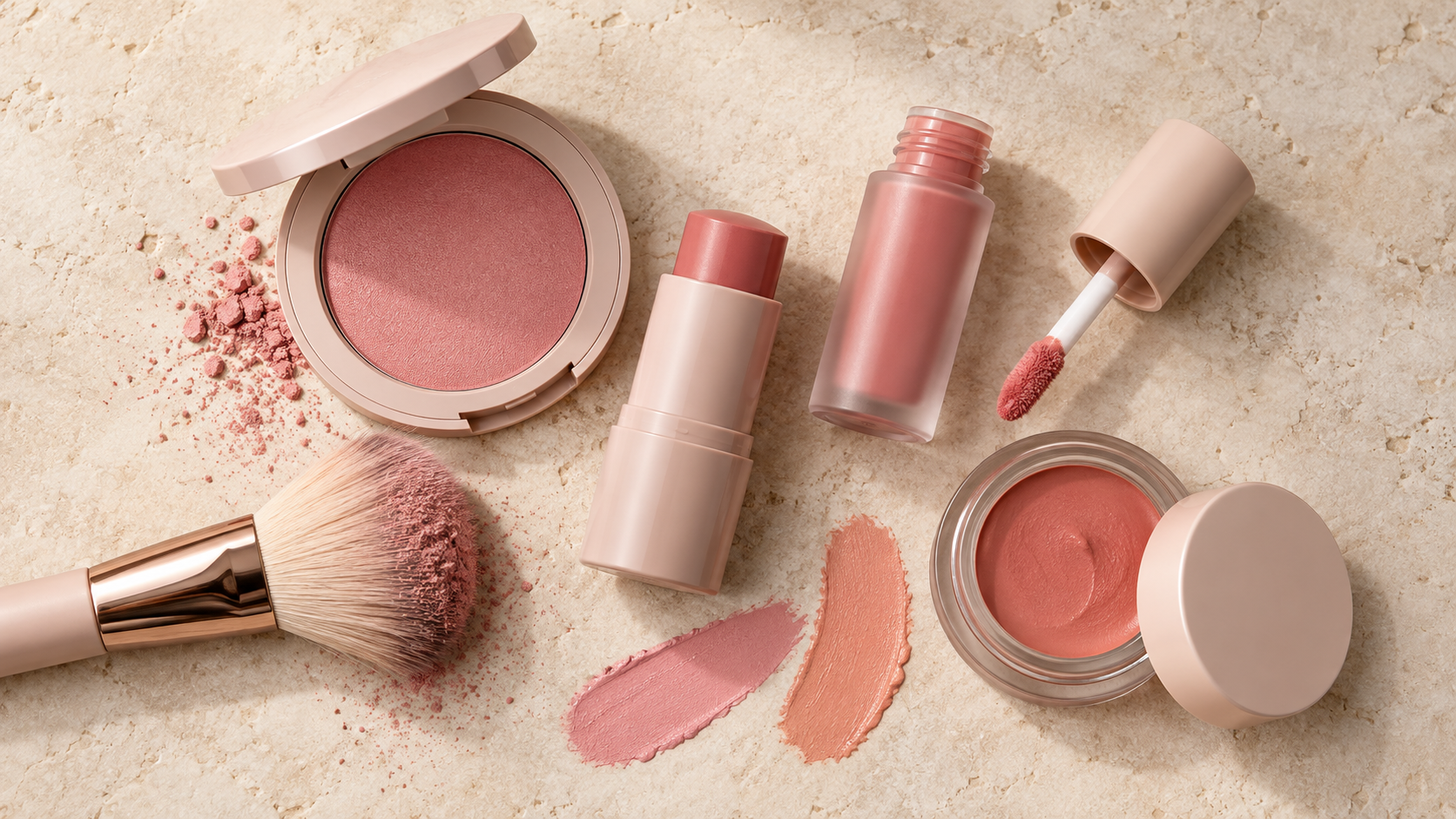
- Cream and liquid formulas blend more forgivingly than powder for this placement, which is part of why cream blush sticks have surged alongside the trend.
Revlon's own beauty team, writing about the trend on the brand's blog, credits its visibility to red-carpet and social moments from stars including Rihanna, Sabrina Carpenter and Addison Rae — worth flagging that this is a brand's own framing of the trend's origin rather than an independently verified timeline, but it lines up with the wider social-media chatter around 'cheek-first' makeup this year. For an accessible entry point, Revlon suggests its ColorStay Longwear Makeup as a base with an Insta-Blush Cream Blush Stick swept into the technique.
Blush blocking vs contouring: what's the actual difference?
Contouring uses a matte, skin-toned product (bronzer or a cool-toned contour shade) to fake shadow and carve out bone structure; blush blocking uses colour itself to do the sculpting, which is a subtler and arguably more forgiving effect. Beauty retailer Tira Beauty's breakdown of the trend argues it works better across a wider range of skin tones than traditional contouring, because a warm bronzer can look muddy or ashy on very deep or very fair skin, whereas a well-chosen blush shade doesn't fight with the skin's own undertone in the same way. That's a reasonable styling argument rather than a clinical one, but it tracks with why the technique has picked up traction across such a broad range of creators.
Which products are worth buying for it?
You don't need to buy anything new to try blush blocking — any cream or powder blush you already own can be repositioned. But if you're shopping specifically for the technique, cream and stick formulas with some slip are the easiest to blend into a soft edge.
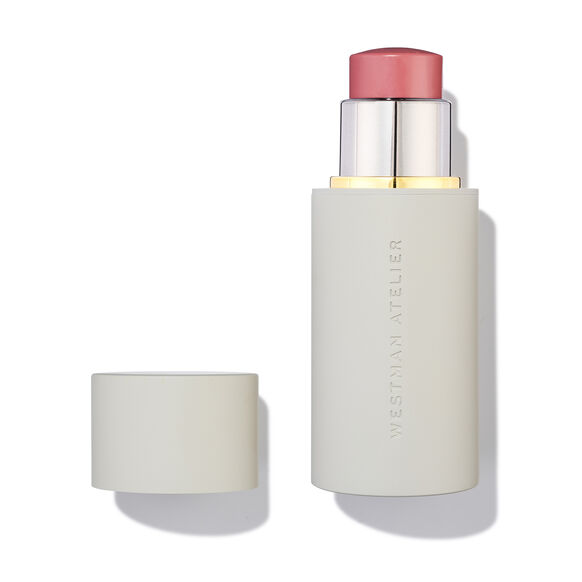
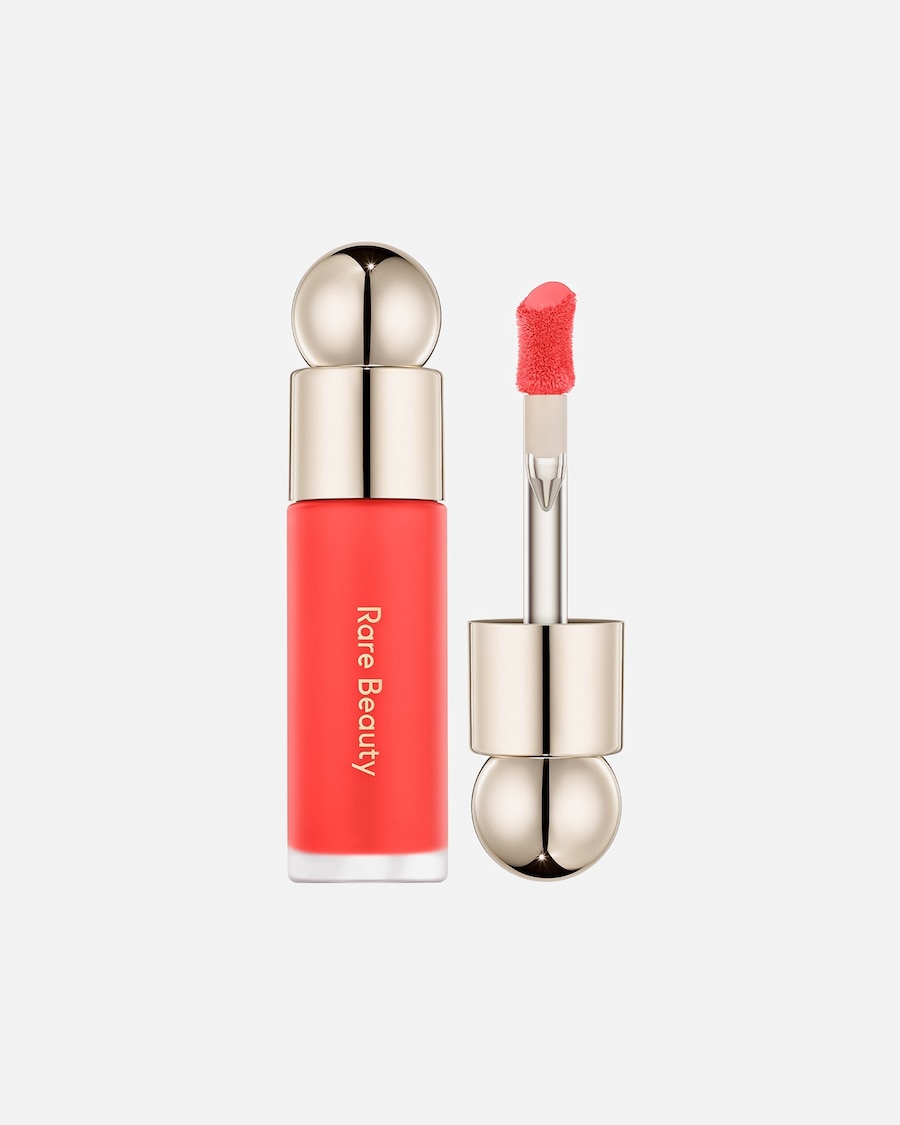
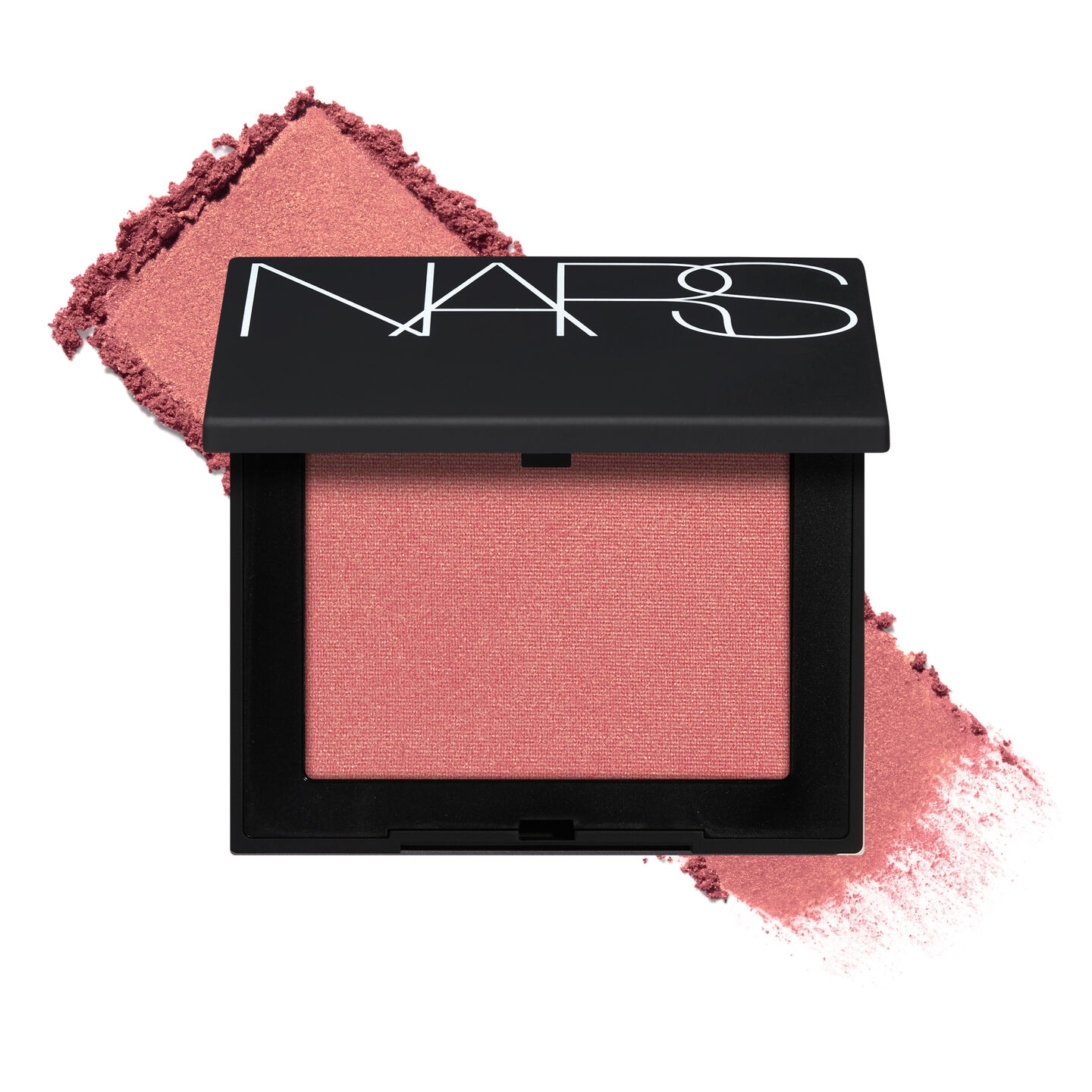
Who What Wear's trend report highlights Westman Atelier's Baby Cheeks Blush Stick (€52 at Space NK) for its buildable, skin-like finish, alongside Armani Beauty's Cheek Tint for a longer-wearing liquid option. If you'd rather work with a brand already in your kit, Rare Beauty's Soft Pinch Liquid Blush and NARS' Blush powder formulas both blend well into the higher, upward placement this technique calls for.
Is it actually worth switching from contour?
For most people, yes — at least as a lower-effort default. Blush blocking asks less precision of you than contouring (there's no hard line to blend out, and mismatched undertones are less glaring in a pink or coral than in a muddy bronzer), and it produces a softer, more editorial finish that suits the broader 'cloud skin' complexion trend running alongside it this season. It won't fully replace contour for anyone chasing dramatic, sculpted structure for photos or events — for that, the two techniques are increasingly used together, with a light contour underneath and blush blocking layered on top for colour and lift. As a everyday, low-maintenance technique, though, it earns the hype: it's quick, it's flattering across a wide shade range, and it doesn't require a specialist product you don't already own.