Retinol has the best reputation of any anti-ageing ingredient in skincare, and also the worst side-effect profile of any ingredient you'll find in a normal drugstore aisle: flaking, redness, stinging, and a purge period that puts plenty of people off before they see a benefit. Bakuchiol has spent the last few years positioned as the workaround — a plant extract marketed as delivering 'retinol-like' results without the drama. But is that actually true, or is it a wellness-aisle rebrand of a much weaker ingredient? Here's what the research (not just the marketing copy) actually says.
What is bakuchiol, exactly?
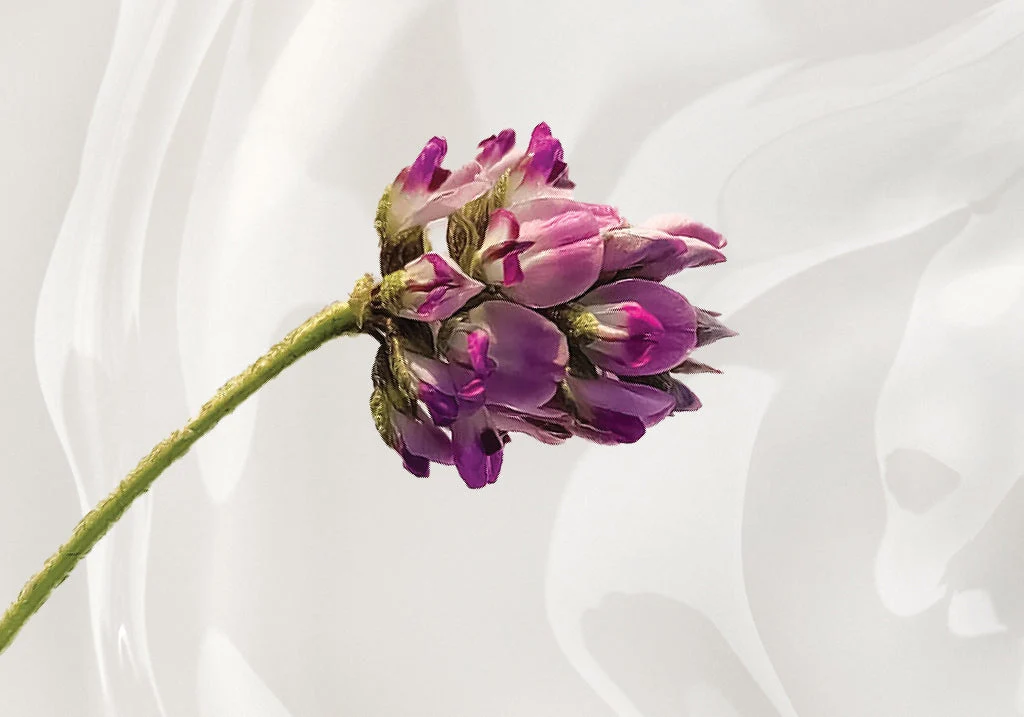
Bakuchiol is a plant-derived compound extracted from the seeds and leaves of Psoralea corylifolia (babchi), a plant long used in Ayurvedic and traditional Chinese medicine. Despite the frequent shorthand of 'plant-based retinol', bakuchiol is not chemically related to retinoids at all — it's a completely different molecule that happens to trigger some of the same skin-cell signalling pathways (specifically, gene expression linked to collagen production), which is why cosmetic chemists began testing it as a retinol substitute in the first place.
Does bakuchiol actually work as well as retinol?
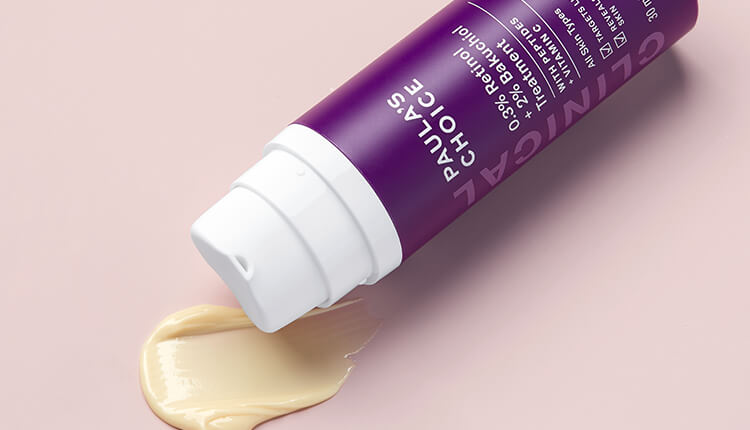
The most-cited evidence is a 2019 prospective, randomised, double-blind trial published in the British Journal of Dermatology (Dhaliwal et al.), which compared 0.5% bakuchiol used twice daily against 0.5% retinol used once daily in 44 participants over 12 weeks. The headline finding: both groups showed statistically similar reductions in wrinkle surface area and hyperpigmentation, with no significant difference in efficacy between the two ingredients — but the retinol group reported significantly more facial scaling and stinging than the bakuchiol group. That is a genuinely useful, peer-reviewed data point, though it's worth being precise about its limits: it's one study, with a modest sample size, funded via a formula containing bakuchiol rather than an independent academic trial with no commercial involvement, and it hasn't been fully replicated at scale since. A more recent 2024 review in the Journal of Integrative Dermatology reached a similar conclusion — that bakuchiol may be 'a promising natural alternative to topical retinol in terms of efficacy and safety' — but stopped short of calling it a proven equivalent across all skin concerns and severities.
What about the pregnancy-safe claim?
Bakuchiol is widely marketed as the pregnancy-friendly alternative to retinoids, since retinoids (including prescription-strength and some cosmetic retinol formulations) are generally advised against during pregnancy due to teratogenicity concerns with high-dose oral or topical vitamin A derivatives. This is a claim you'll see repeated across brand copy and social media, but it is not something we can confirm as blanket medical advice here — anyone pregnant or breastfeeding should run any active ingredient, bakuchiol included, past their own doctor or midwife rather than relying on a product label or an influencer's routine video.
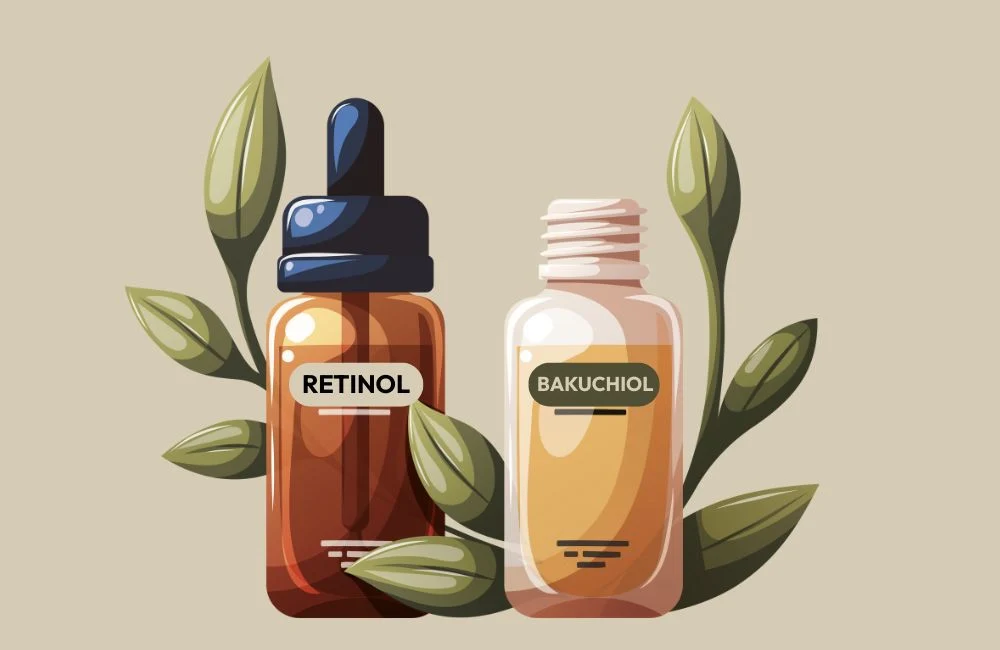
Retinol vs bakuchiol: the practical comparison
So which should you actually buy?
If your skin already tolerates retinol reasonably well, there's no evidence-based reason to switch — retinol remains the more extensively studied ingredient with the deepest track record. Bakuchiol earns its keep for a specific group: people with reactive or very sensitive skin who've bounced off retinol repeatedly, beginners who want to build tolerance before stepping up to a stronger active, and anyone whose dermatologist has advised against retinoids for a specific reason. It is not, based on the current evidence, a straightforward one-for-one swap for prescription-strength tretinoin or higher-percentage retinoids used for significant photoageing or acne — for those concerns, talk to a dermatologist about what's actually appropriate rather than assuming a gentler plant extract will match a clinical-strength treatment.
For a low-cost way to trial each: The Ordinary's Retinol 1% in Squalane (around €9.90) is the standard budget entry point on the retinol side, while Herbivore's Bakuchiol Dual-Retinol Alternative Serum (around €68) and The Inkey List's lower-cost retinol and bakuchiol ranges are reasonable starting points if you want to compare tolerance side by side, a few weeks apart, rather than layering both at once.
- Criteria used for this comparison: independent-where-possible clinical evidence (prioritising peer-reviewed, randomised trials over brand-commissioned testing), documented irritation/tolerability data, and real, verifiable retail pricing rather than promotional claims alone.
- Do not combine full-strength retinol and bakuchiol in the same routine without professional guidance — stacking actives increases irritation risk without reliable evidence of added benefit.