Culottes have had one of the odder comebacks of the last few years — quietly present on runways for a couple of seasons, then suddenly everywhere on TikTok's roundups of the biggest fashion trends of 2026. If you've been skinny-jean-and-wide-leg-trouser loyal and are wondering whether it's worth adding a pair, here's what's actually changed, how culottes differ from the wide-leg trousers already in your wardrobe, and where to buy a pair without overspending on a trend you might not keep.
For the release, trend and product context behind this story, see Stylist and Who What Wear.
What's the actual difference between culottes and wide-leg trousers?
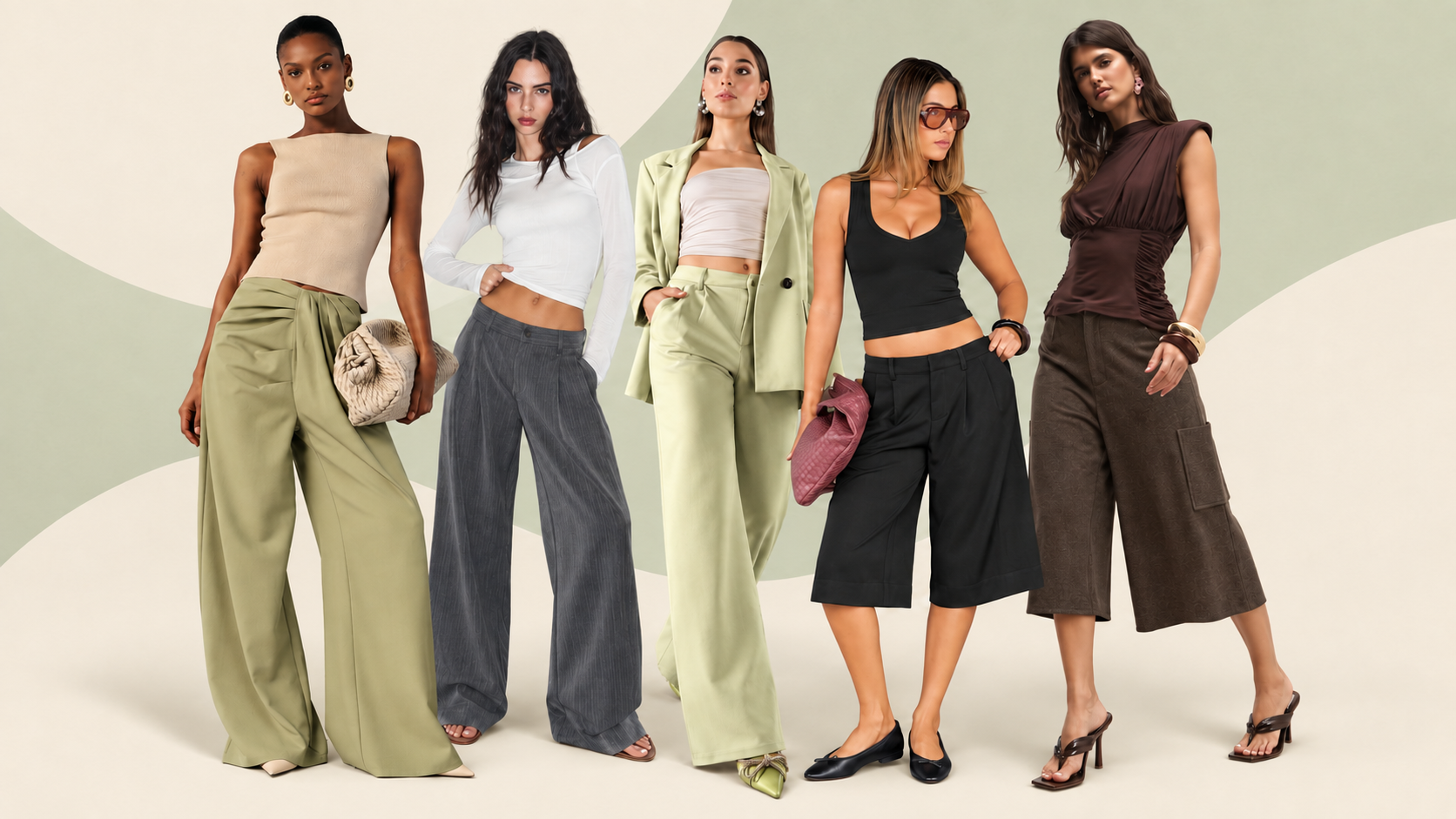
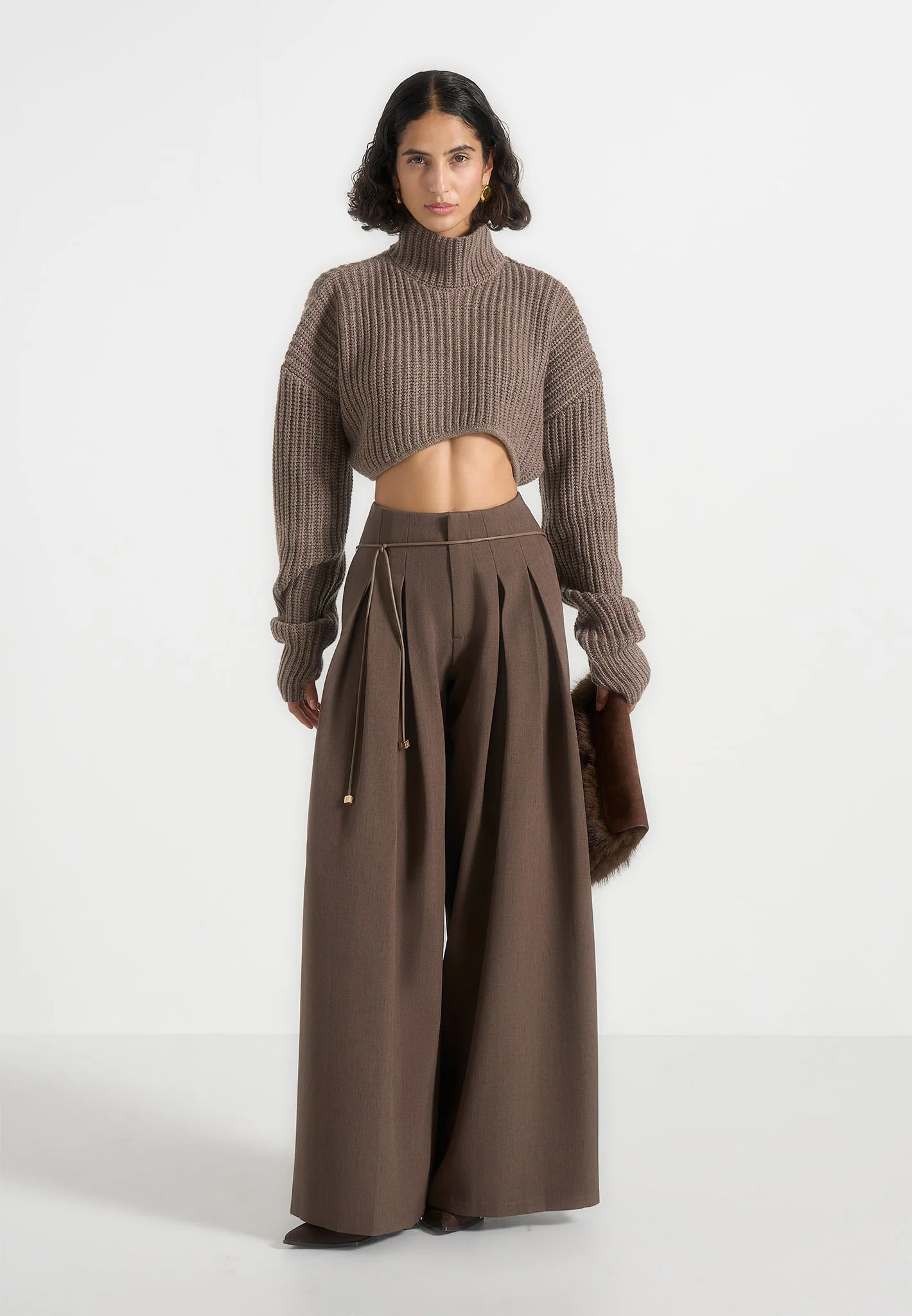
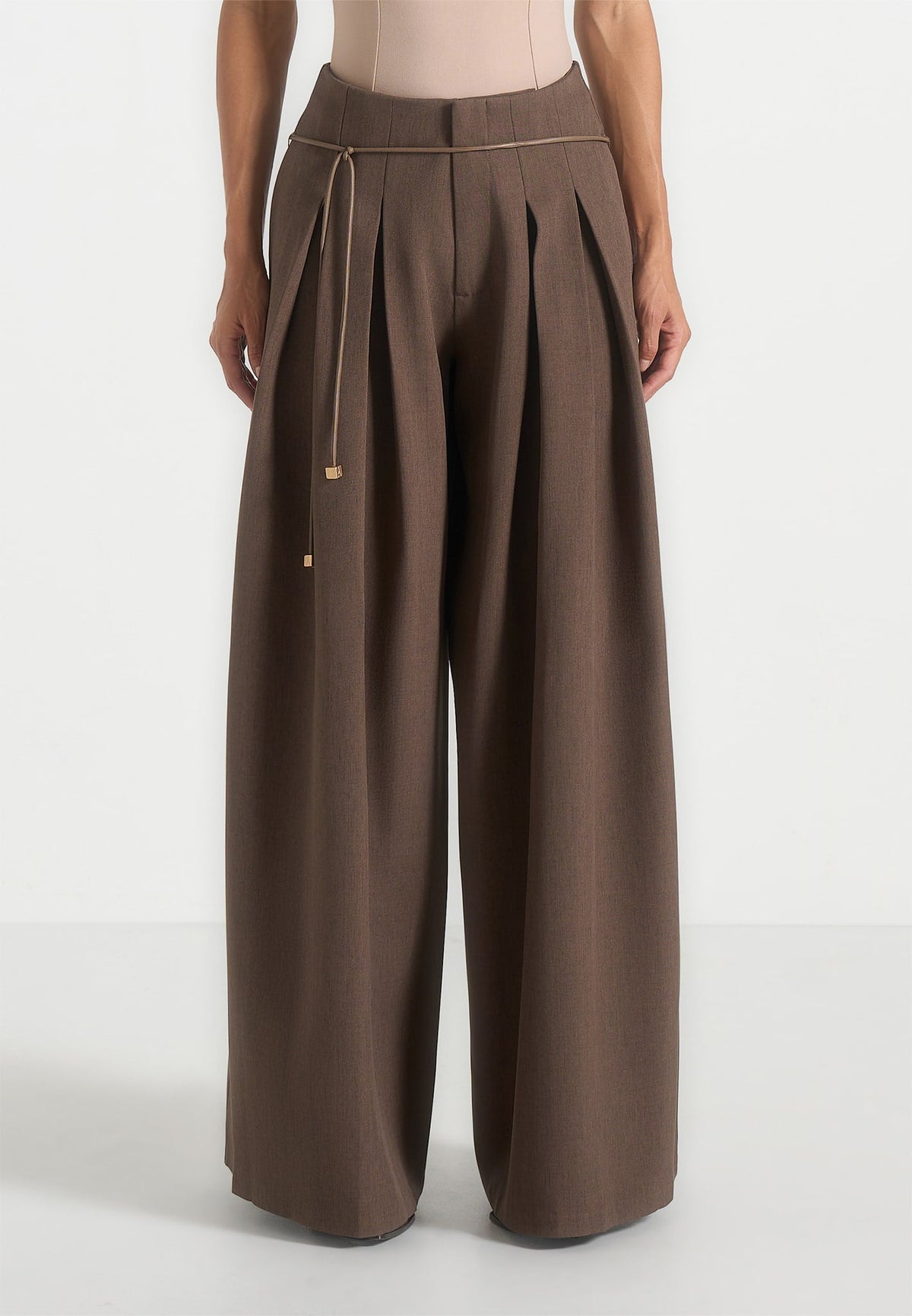
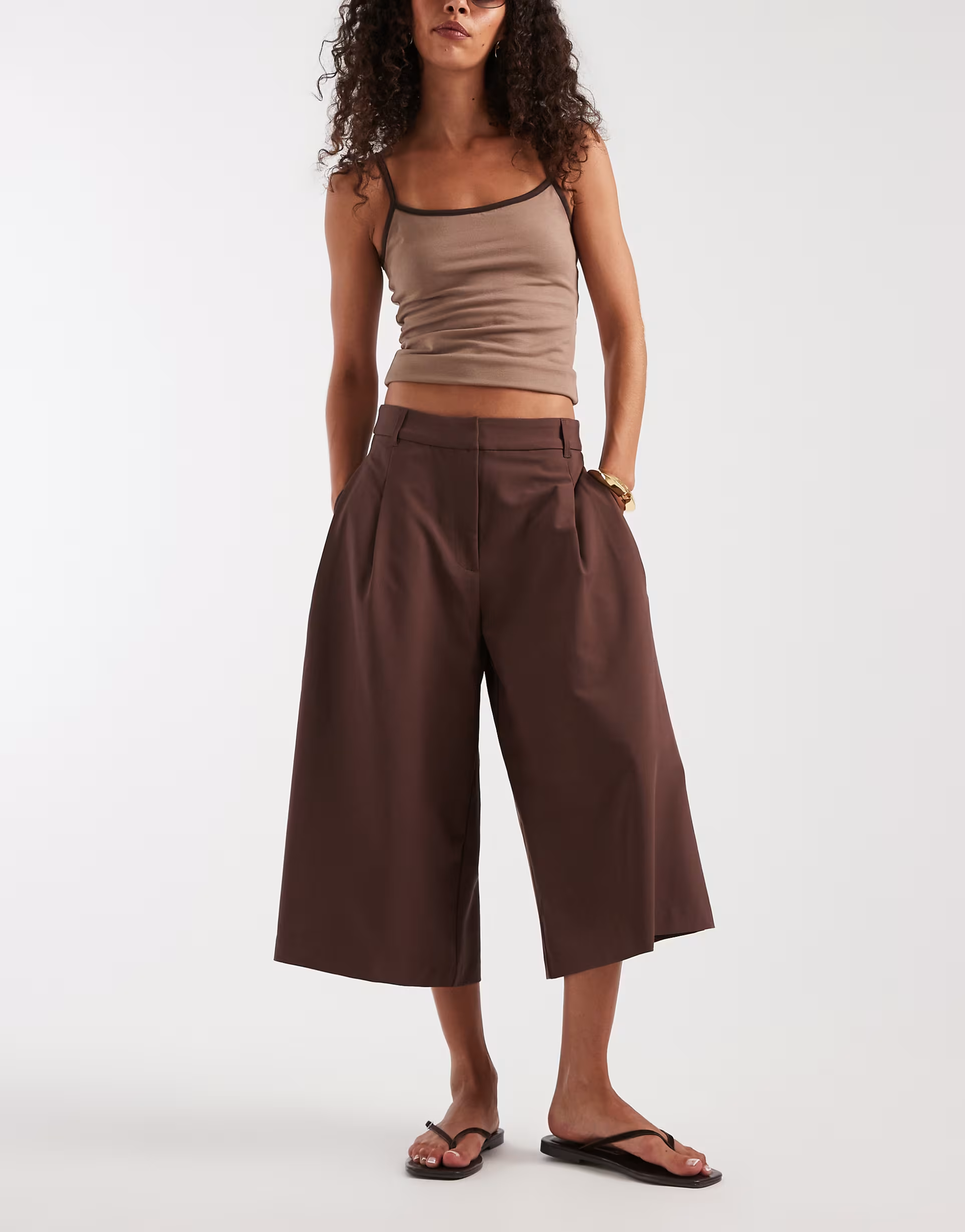
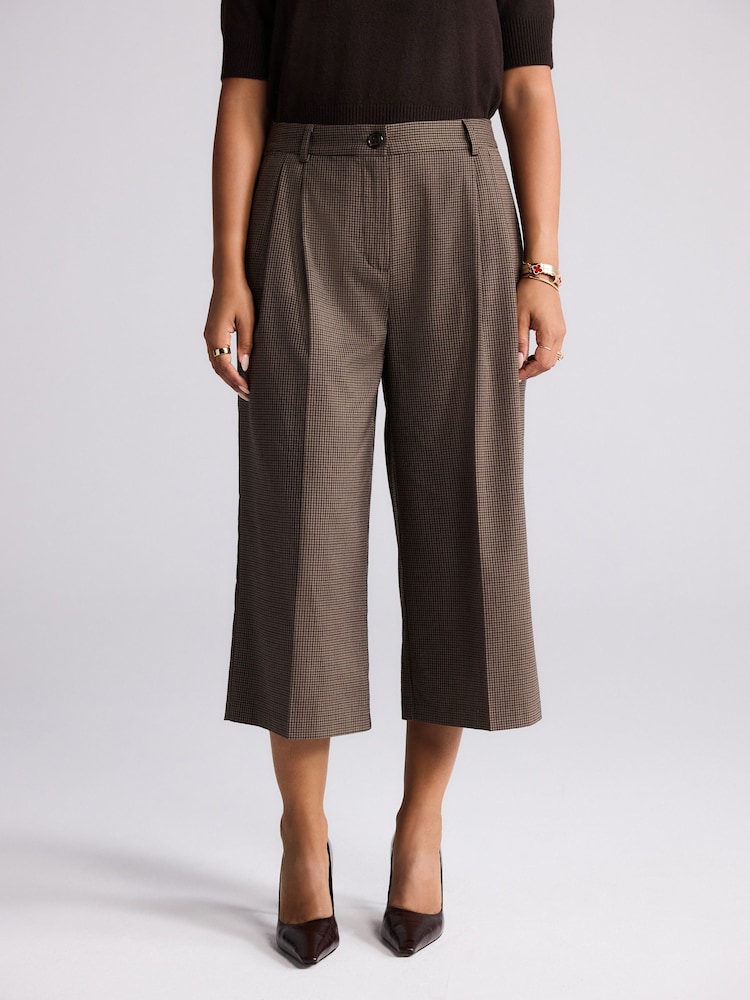
The distinction comes down to length and volume. Culottes are cropped — typically falling somewhere between mid-calf and ankle — and cut with a wide, sometimes skirt-like flare through the leg, which is why they're sometimes described as "trouser-skirts." Wide-leg trousers, by contrast, usually run to full length and skim rather than balloon. Palazzo pants sit at the most exaggerated end of the same family: full-length and dramatically wide from the hip down. In practice, culottes are the shortest and most voluminous of the three, which is exactly why they photograph so differently depending on shoe choice.
Wide-leg Trousers:
Culottes:

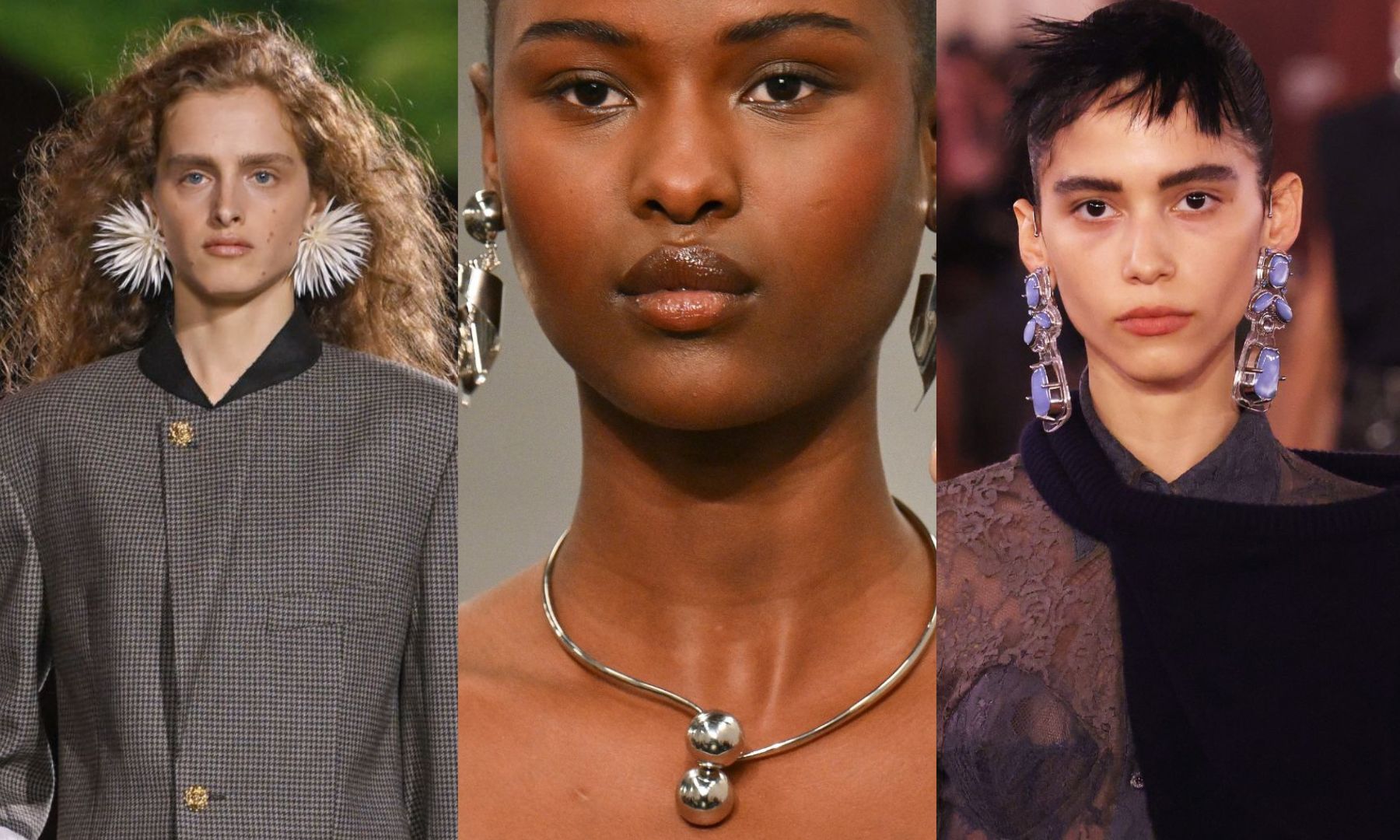
Chrome never really left — it just went quiet for a decade. Now it's back on runways, in jewelry boxes, and, most tellingly, in the small stainless steel pieces people are buying to wear every single day, not just for a night out.
The shift didn't start with a designer. It started with durability. Shoppers tired of tarnished gold-plated pieces started asking for something that could survive a shower, a gym session, and a beach trip without losing its shine — and stainless steel quietly became the answer.

Why steel, why now
Three things converged: a broader "quiet luxury is over" mood that favors visible metal over logos, a wave of independent jewelry brands built around durability rather than status, and a TikTok generation that treats jewelry as something you layer daily, not save for occasions.
"People aren't buying jewelry to save it anymore. They're buying it to live in it."


What to actually buy
Skip anything plated. Look for "stainless steel" or "titanium" explicitly in the listing, avoid glued stones where possible, and expect a slightly heavier feel than costume jewelry — that weight is usually a good sign, not a bad one.

Whether this becomes a multi-year trend or fades by spring depends on whether the price point stays accessible. So far, it has — and that's exactly why it's spreading faster than most jewelry trends before it.
amp;wid=1125&fit=constrain" alt="ASOS DESIGN">ASOS DESIGN
Are culottes actually back, or is this a TikTok-only moment?
There's runway backing behind the social-media noise. Designers moved away from the skinny, body-skimming silhouettes that dominated recent seasons toward softer structure and more dramatic proportions, and culottes showed up in multiple interpretations at Hermès, Dior and Chloé — from buttery leather versions to looser, more bohemian cuts. That runway movement, combined with culottes landing on independent lists of 2026's defining TikTok trends, is a stronger signal than a single influencer moment: it suggests the shape has momentum across both the design and social sides of fashion, not just one or the other.
Are culottes flattering, and who do they suit?
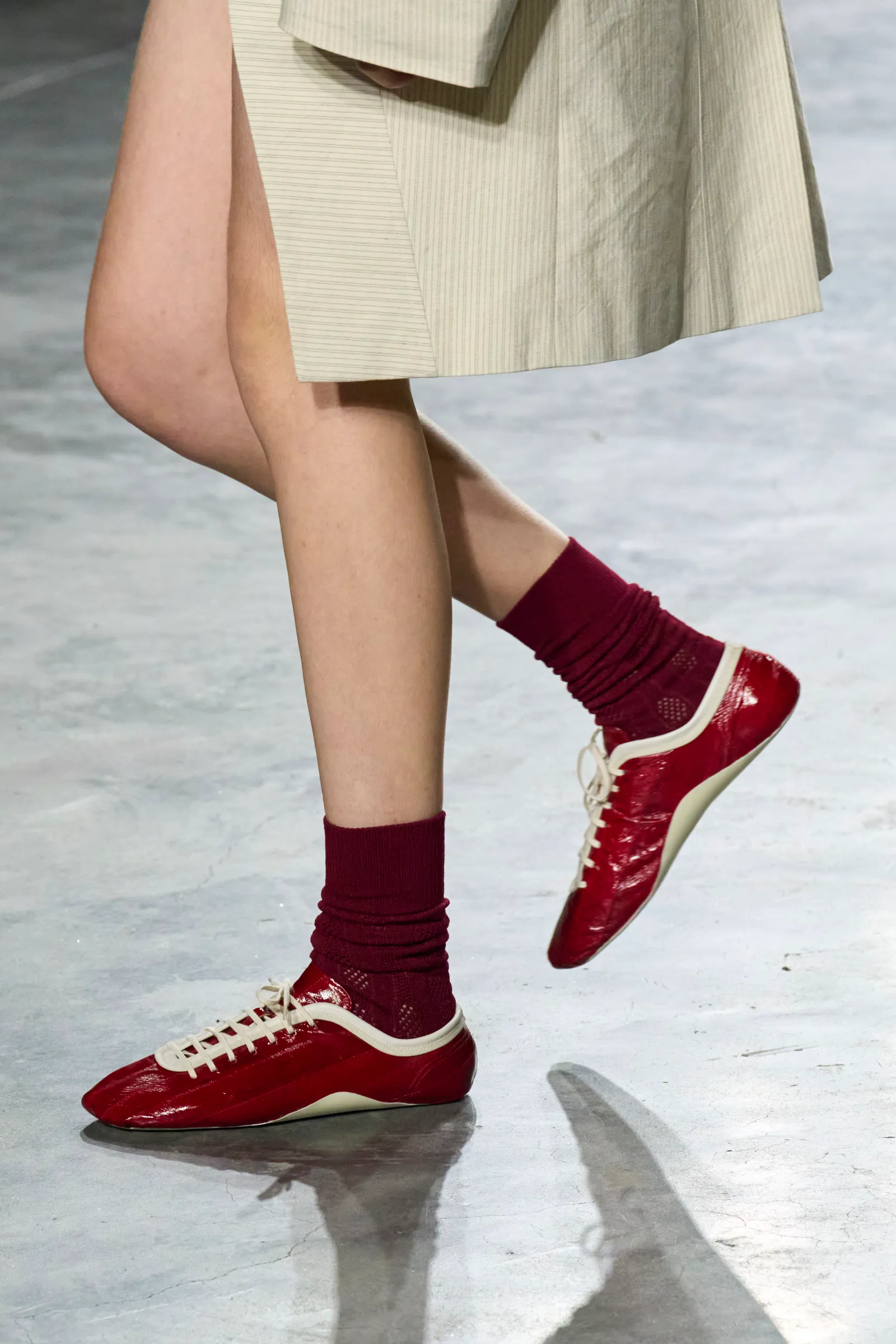
The honest answer is that culottes are less universally easy than straight-leg or bootcut trousers, because the cropped hem creates a visible break at the calf that can shorten the leg line if the proportions are wrong. The fix is almost entirely about footwear and rise. A high-waisted pair, worn with a heeled shoe — a block heel, a loafer with a slight lift, or an ankle boot — elongates the leg back out; flat sandals or trainers tend to emphasise the crop instead. Ballet flats can work for a lower-key, minimalist look, but they need a properly high waistband to avoid overwhelming a shorter frame. Fitted or semi-fitted tops also help, since a loose top on top of already-voluminous trousers can read as shapeless rather than relaxed.
How to style culottes for autumn
Culottes read as a warm-weather trouser at first glance, but the styling adapts easily for cooler months. Opaque or patterned tights close the gap between hem and shoe, which both adds warmth and keeps the silhouette looking finished rather than unfinished. Knee-high boots worn under the hem are the single easiest way to carry culottes into autumn, paired with a chunky knit or a wool coat on top. Ankle boots work less well here, since they tend to expose bare calf at the widest part of the trouser — precisely the gap tights and knee boots are designed to solve.
- Budget pick: Next's tie-waist linen-blend culottes (£30) — a low-cost way to try the silhouette before committing further.
- Everyday cotton: Uniqlo's cotton culottes (£34.90) — a reliable, easy-care option for regular rotation.
- Smarter option: Hush's linen-blend pair (£75) — a step up in fabric weight and finish for work or smart-casual wear.
- Denim version: Gap's high-waisted medium-wash denim culottes ($50) — for a more casual, jeans-adjacent take on the trend.
For UK shoppers wanting to try the trend cheaply, Next and Uniqlo both sit under £40, while Hush offers a more considered fabric for a modest step up in price. For a higher-end leather or tailored take closer to the runway versions, Toteme and Reformation both carry wide-cropped trouser styles each season.
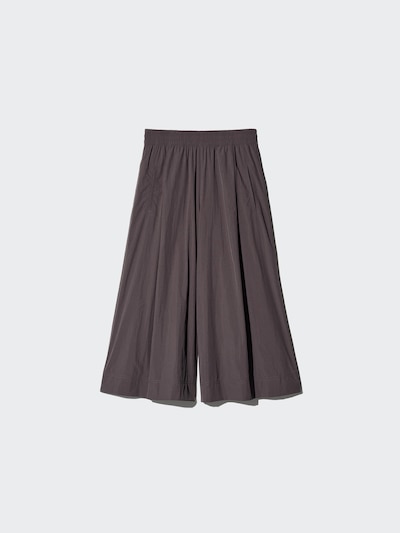
Verdict: worth buying, or skip it?
Culottes are worth trying if you already lean toward wide-leg or relaxed trousers and want a fresher proportion than the wide-leg styles most wardrobes already have — the crop is the actual news here, not the wide leg itself. If you're petite or generally find cropped trousers unflattering, start with a budget pair before spending on a leather or tailored version, since the silhouette depends heavily on getting waist height and shoe pairing right for your frame. Given the entry price at retailers like Next and Uniqlo is under £40, it's a low-risk trend to test before deciding whether it earns a permanent place in the wardrobe.