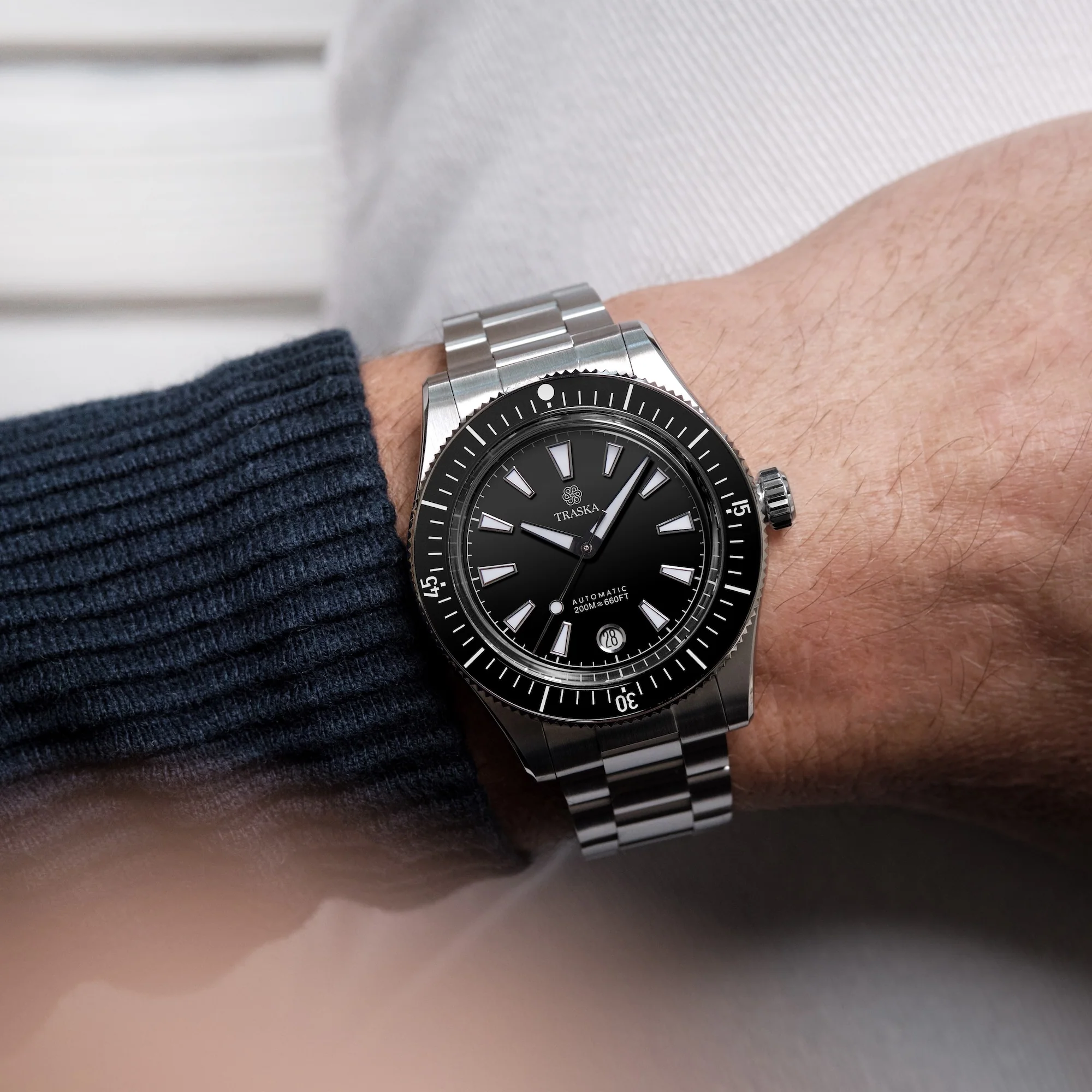
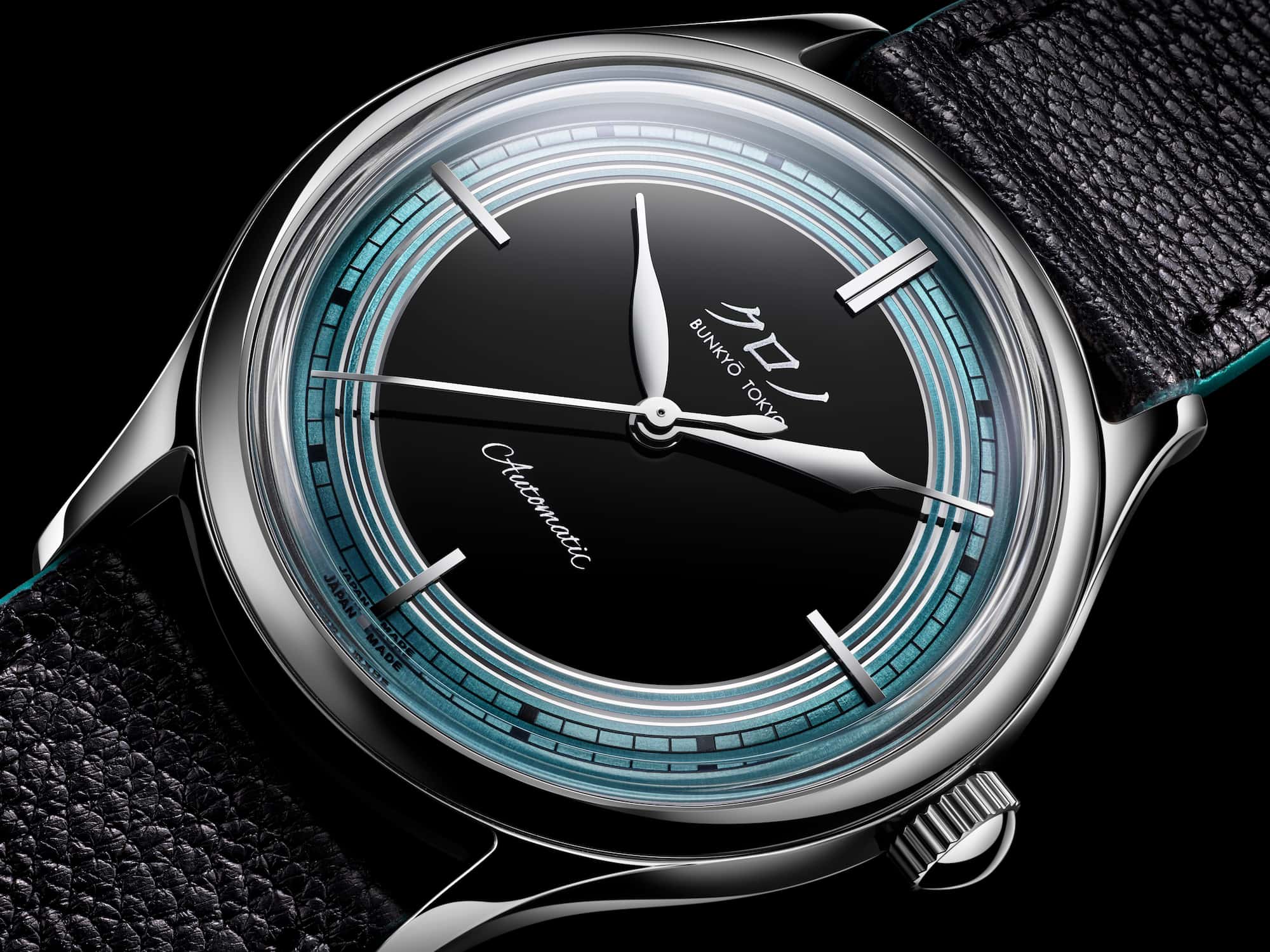
If you've noticed more people on your feed wearing watches from brands you'd never heard of a few years ago — names like Baltic, Traska or Kurono Tokyo instead of Omega or Tag Heuer — you're not imagining it. Independent "microbrand" watchmakers, small operations usually selling direct to the customer rather than through department stores or boutiques, are having a genuinely measurable moment. A community data report published in August 2026 put some real numbers behind the vibe: the largest dedicated online hub for the category, the r/MicrobrandWatches community, has grown to roughly 127,000 members and around 2 million monthly views, adding just over 4,000 new members in August alone — steady, organic growth rather than a single viral spike.
So why are microbrand watches getting more popular?
The short answer is economics plus community. Selling direct-to-consumer lets a small brand skip the layers of distribution, wholesale margin and retail markup that can eat 30–50% of a traditional Swiss watch's retail price. That means a microbrand can put genuinely good components — sapphire crystal, Swiss or Japanese automatic movements from suppliers like Sellita, ETA or Miyota, solid stainless steel cases — into a $300–$1,000 watch without the brand needing a household name to justify the price. It's the same direct-to-consumer logic that reshaped mattresses, eyewear and razors a decade ago, just arriving in watches on a longer timeline because of how conservative the category is.
The second half of the story is that microbrands live and die on community, not advertising. Most don't run traditional marketing campaigns; instead, founders post directly in forums and subreddits, answer questions themselves, and treat feedback threads as informal product development. That August report found posts from brand founders getting nearly double the engagement of ordinary posts — collectors like being able to message the person who actually designed the watch, something functionally impossible with a heritage Swiss maison.
Which microbrands are actually worth knowing right now?
Going by both sales traction and community engagement in 2026, a handful of names keep coming up:
• Christopher Ward ($600–$1,500) — the closest thing the category has to an established player, UK-based, known for in-house-adjacent movements and a generous 60-day return window that lowers the risk of buying unseen.
• Baltic ($300–$800) — French, mid-century-inspired designs on Miyota movements, one of the most consistently cited names in 2026 community engagement data.
• Farer ($800–$1,600) — London-based, distinctive colour-blocked dials, Swiss movements; sits at the upper end of what most people would still call a microbrand.
• Lorier ($499 flat) — New York, Art Deco-leaning designs, notable for pricing its entire catalogue at one round number rather than tiering by material.
• Halios ($735–$875) — Vancouver-based dive-watch specialist with a reputation for selling out releases within minutes, partly because it deliberately produces in small batches.
Is a microbrand watch actually a good buy, or just a good story?
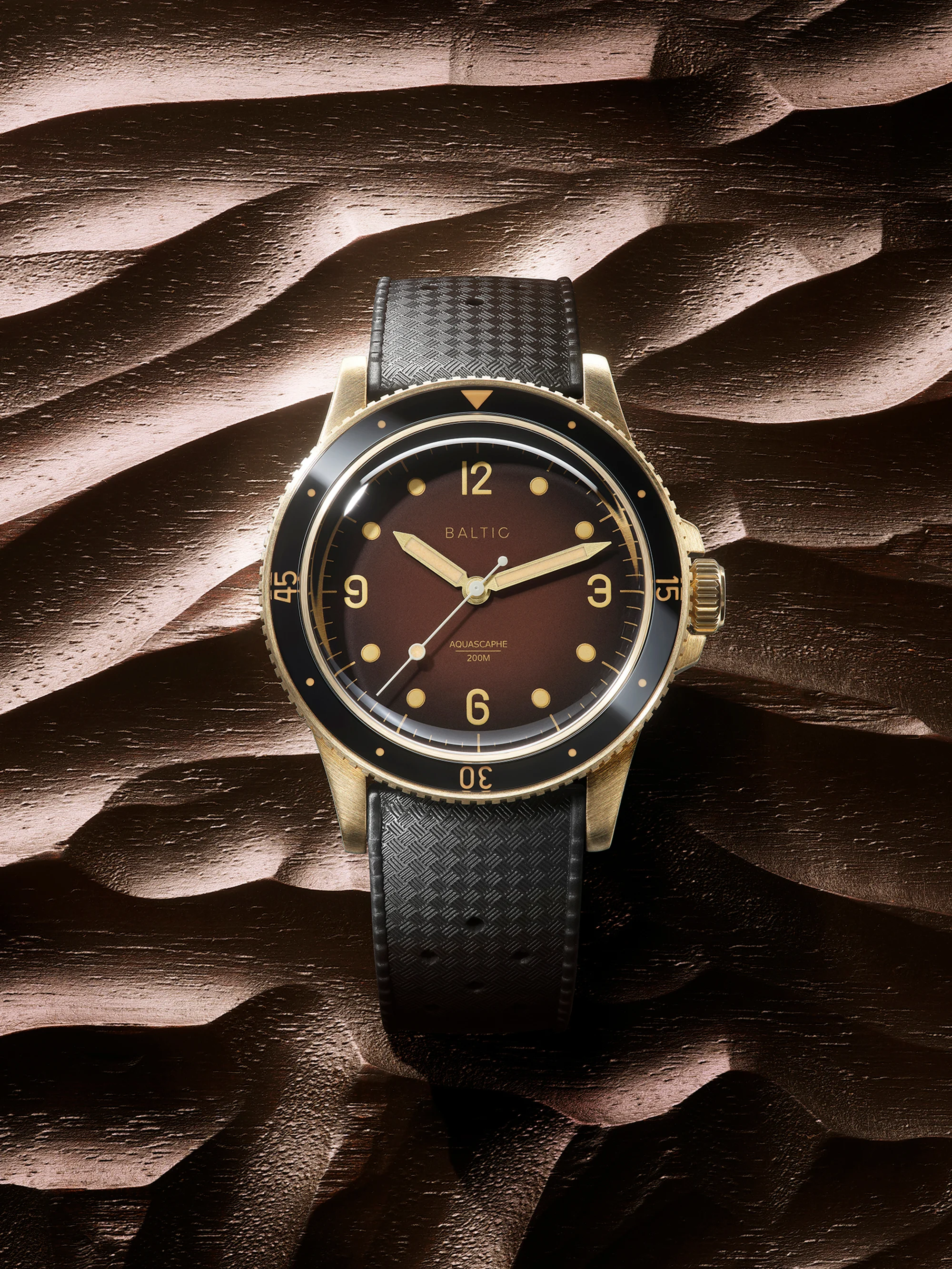
Both, with a caveat. The component quality genuinely stacks up well against mainstream brands at the same price — a $450 microbrand diver with a Sellita SW200 movement and sapphire crystal is not meaningfully worse-built than a mainstream equivalent, and is sometimes better specified. What you give up is resale liquidity and after-sales infrastructure: a microbrand watch generally won't hold value the way a Rolex or Omega does, and if the brand folds, servicing gets harder. For a first purchase or a watch bought to be worn rather than invested in, that trade-off is easy to justify. For anyone treating a watch as an asset, it's a genuine downside worth weighing before buying.
Where is this heading?
The report's own framing is telling: this is described as sustained, organic growth rather than a hype cycle, with retention among new community members running high. That points to microbrands settling in as a permanent, distinct tier of the watch market — sitting between fast fashion quartz watches and entry-level Swiss — rather than a passing fad that fades once the discovery phase wears off.