Smart rings have quietly become one of the more interesting corners of wearable tech — small enough to forget you're wearing, but stuffed with sensors that track sleep, temperature and heart rate around the clock. Oura built the category and still dominates it, but 2026 is the first year the alternatives are genuinely worth considering, not just cheaper knock-offs. Here's how the main options actually compare, and who each one is really for.
Why is this suddenly a live question?
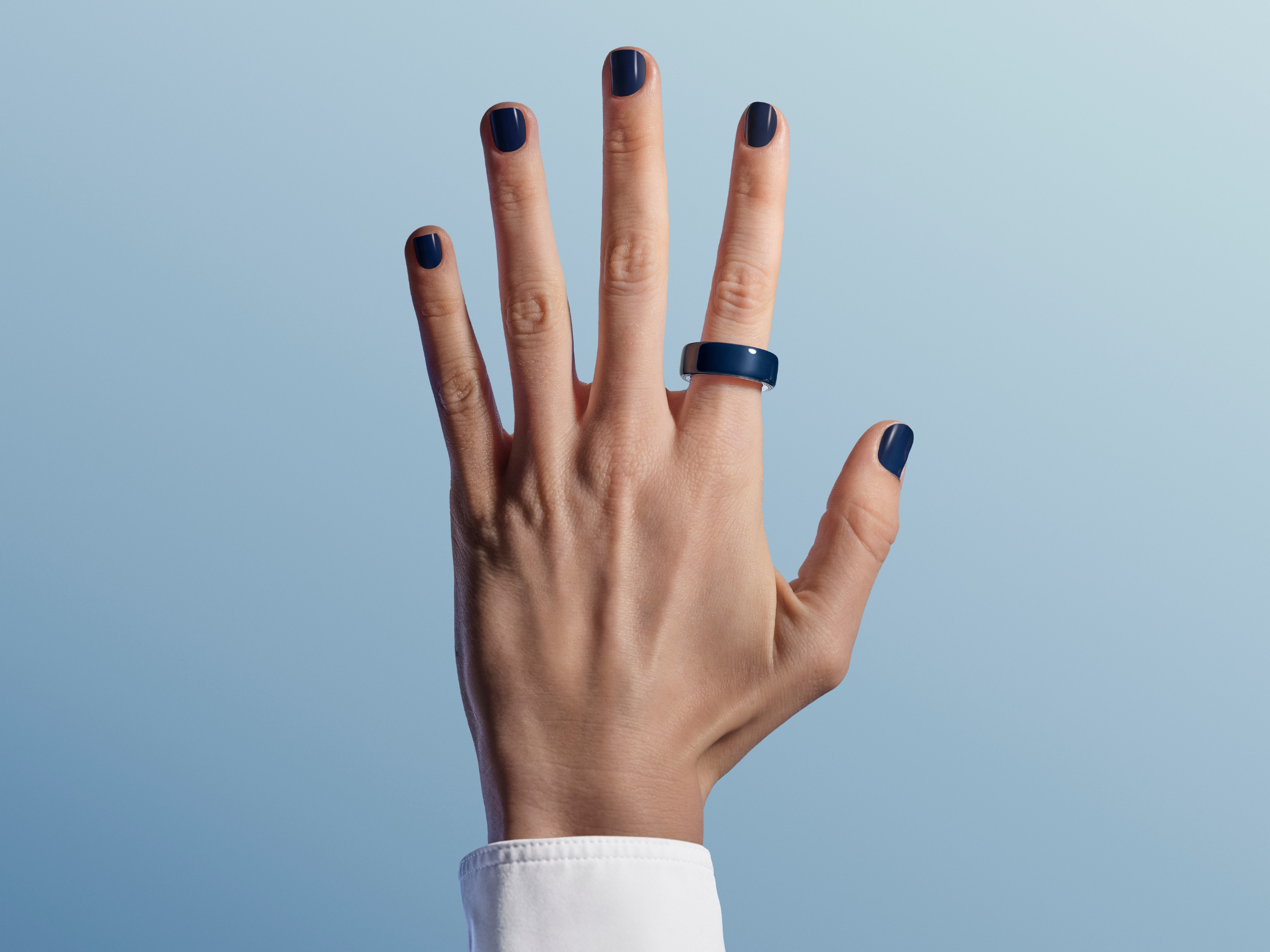
Two things happened at once in early September 2026. On September 3, Oura filed paperwork to go public, revealing it has sold 3.6 million rings and has around 5 million paid members — genuinely striking numbers for a device that costs hundreds of dollars and then charges a monthly fee on top. Days later, Ultrahuman's subscription-free Ring Pro began shipping to US customers, after a patent dispute with Oura had kept it out of the country. Suddenly the "which ring" conversation has real competing answers, not just Oura versus hypotheticals.
The short answer
If you want the most mature app, the deepest data history and don't mind paying a subscription, Oura Ring 5 remains the safest pick. If a monthly fee is a dealbreaker, Ultrahuman Ring Pro or RingConn Gen 3 give you most of the same core tracking without one. If you're already deep in the Samsung ecosystem, Galaxy Ring is the path of least resistance, though it's behind on advanced health detection. There is currently no single ring that wins on every metric — the right choice depends on which trade-off you're willing to make.
What we compared it on
We used four criteria that actually affect day-to-day ownership, not just spec-sheet bragging rights: upfront price, whether an ongoing subscription is required to unlock core features, the depth of health detection (sleep apnea and heart-rhythm alerts in particular, since these are the features most likely to genuinely matter to your health), and real-world availability right now rather than "coming soon" promises.
Oura Ring 5: still the benchmark, now pricier
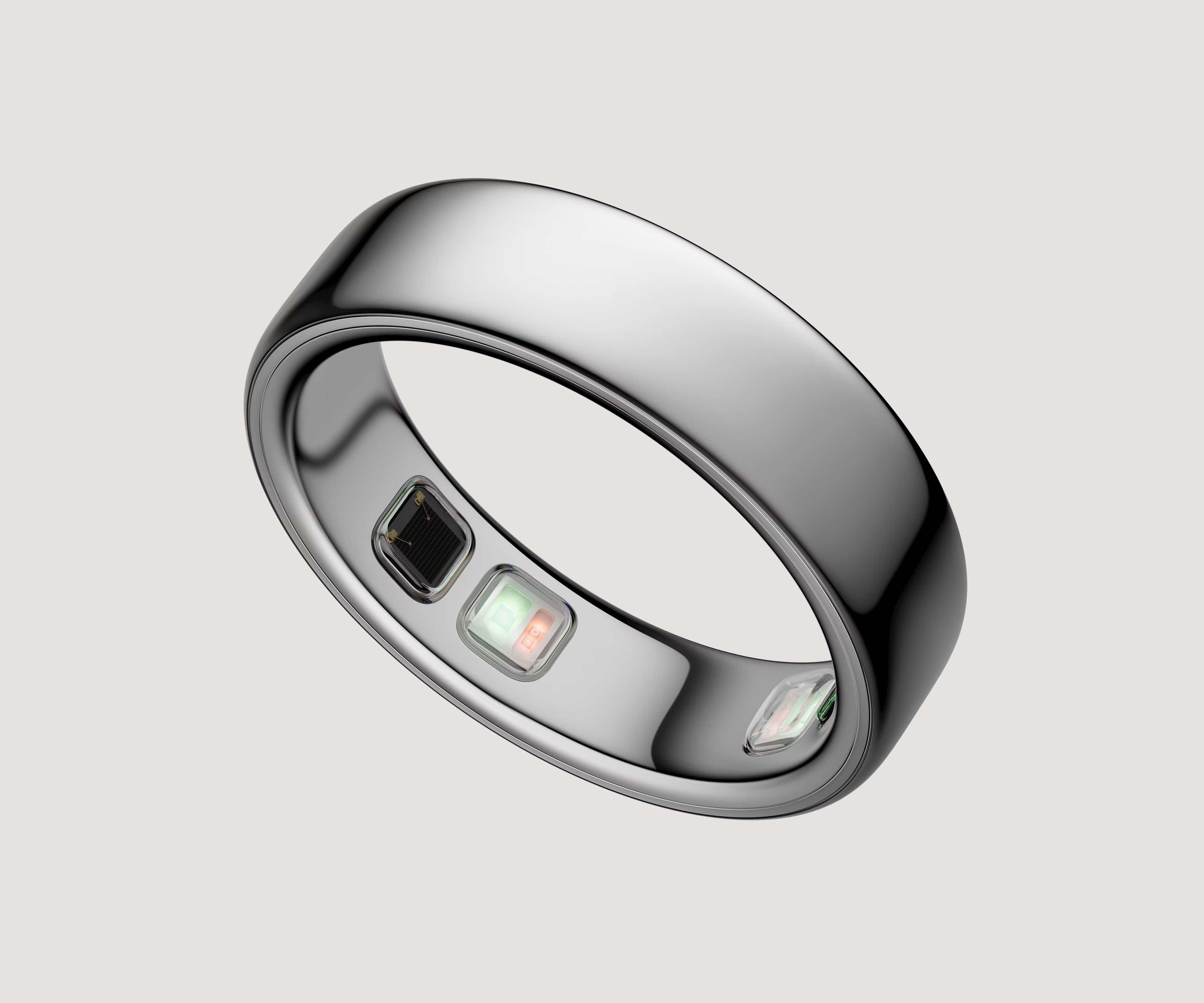
Released 4 June 2026, Ring 5 is 40% smaller than its predecessor and comes in two price bands: €399/£399 for silver and black finishes, rising to €499/£499 for gold, stealth, brushed silver and deep rose. That's up to €50/£50 more than the outgoing Ring 4. Oura also sells an optional €99/£99 charging case. On top of the ring itself, Oura's membership costs €5.99 a month or €69.99 a year and is required to see most of your data — a structure some reviewers have flagged as a lot to ask for metrics that rivals now offer without a recurring fee.
What you do get for that money is Oura's most mature ecosystem, including Oura Advisor, an AI health assistant that turns your sleep, readiness and activity data into plain-language coaching — including a proprietary model built specifically around women's health data, added in April 2026. It's the most developed AI layer of any ring on this list, which is the strongest argument for staying with Oura despite the price.
Ultrahuman Ring Pro: the subscription-free challenger
At €499 in the EU and £429 in the UK, Ultrahuman Ring Pro actually costs more upfront than Oura, but it doesn't charge anything monthly — every feature, including sleep apnea and AFib detection, is unlocked from day one. It's built around what Ultrahuman calls "Jade," its real-time AI health engine, aimed squarely at the same coaching territory as Oura Advisor. The catch has been availability: import restrictions tied to a patent dispute with Oura kept it out of the US for a stretch, and it only resumed shipping there in mid-September 2026, so early units may be harder to source than Oura's.
RingConn Gen 3 and Galaxy Ring: the budget and ecosystem plays
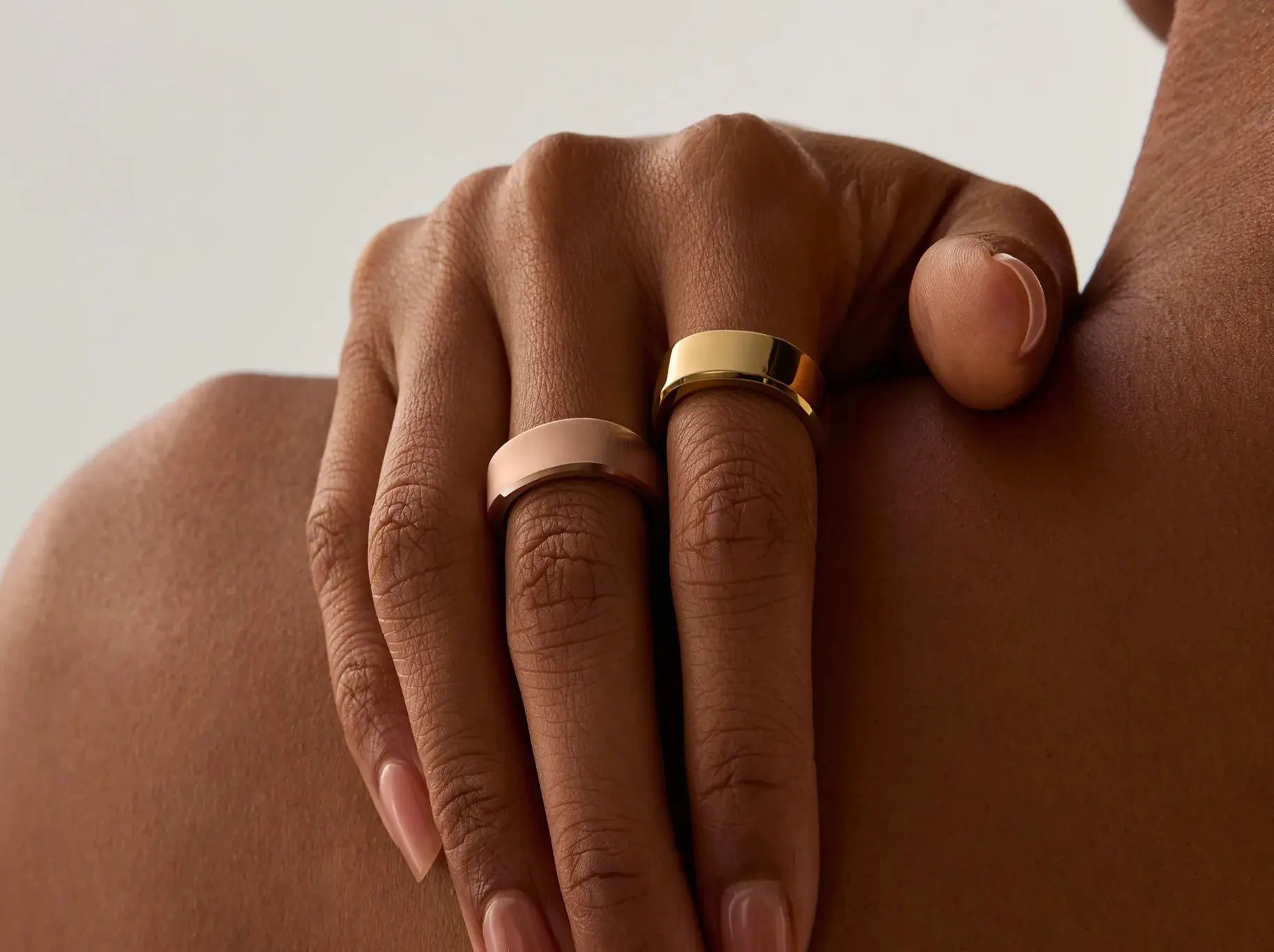
RingConn Gen 3, listed at €369 on its German/EU storefront, undercuts everyone here on price while still offering sleep apnea and AFib detection and no subscription — the strongest case for anyone who just wants solid tracking without ongoing costs. Samsung's Galaxy Ring, launched at €449 in the Netherlands and £399 in the UK, is the least feature-rich of the four: it skips sleep apnea and AFib detection entirely. Its appeal is narrower and more practical — tight integration with Galaxy phones and watches for anyone already inside that ecosystem, rather than best-in-class health detection.
One to watch, not to buy yet
Circular's next-generation Ring 3 series is expected in early 2027 with NFC contactless payments and, in its Pro tier, an FDA-cleared ECG and blood pressure tracking — features none of today's rings offer. Pricing hasn't been announced, so treat it as one to watch rather than something to wait for right now; on current information it's a 2027 story, not a 2026 one.
Bottom line
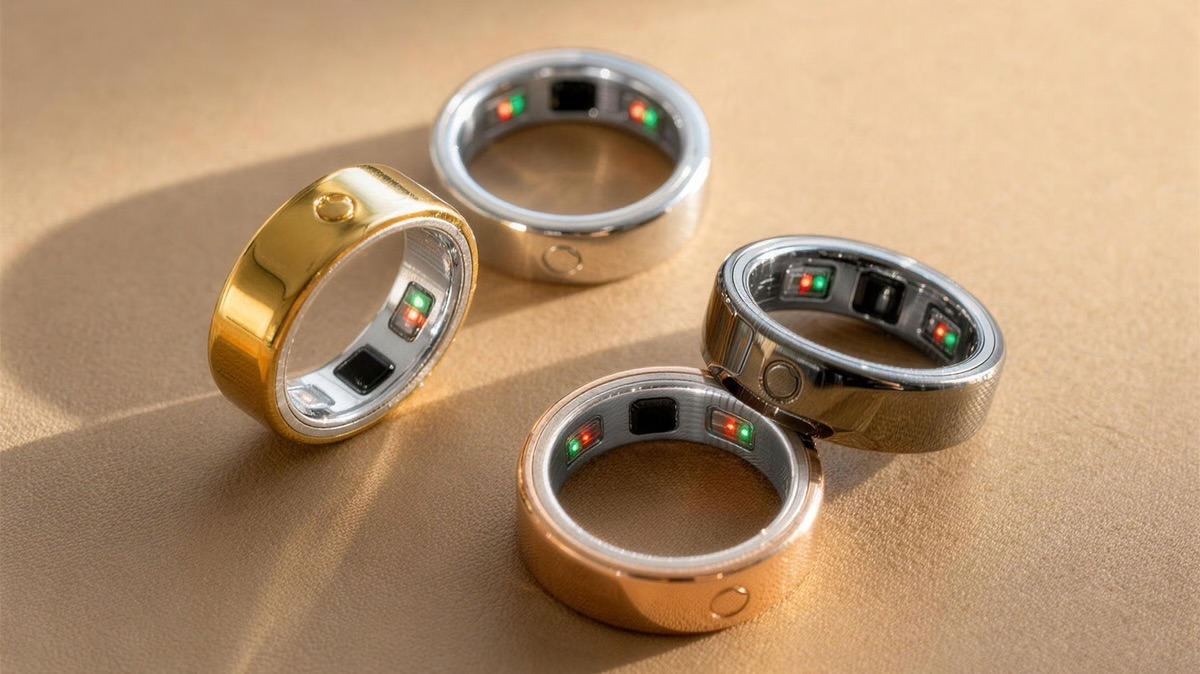
None of Oura's challengers has fully caught up on software polish, but the subscription-free pitch from Ultrahuman and RingConn is the first real pressure Oura has faced on pricing. If you're buying today: choose Oura Ring 5 for the most refined experience and don't mind the fee, RingConn Gen 3 if budget and no subscription matter most, and Ultrahuman Ring Pro if you want no-subscription plus the most advanced health alerts and can find stock.