A little over a week after Apple pushed iPhone 18 Pro pricing up by $100, it's worth pointing out that Google got there first. The Pixel 11 family landed on 12 August 2026 at Google's Made by Google event, and the headline most reviewers buried was the price: every model costs more than its Pixel 10 equivalent, storage tiers have been quietly reshuffled, and the entry-level 128GB option has vanished entirely. None of that is a scandal — phones have been getting pricier for years — but it does change the maths on whether the Pixel 11 is actually a smart buy right now, or whether last year's Pixel 10 is the better deal while it's still on shelves.
How much does the Pixel 11 cost?
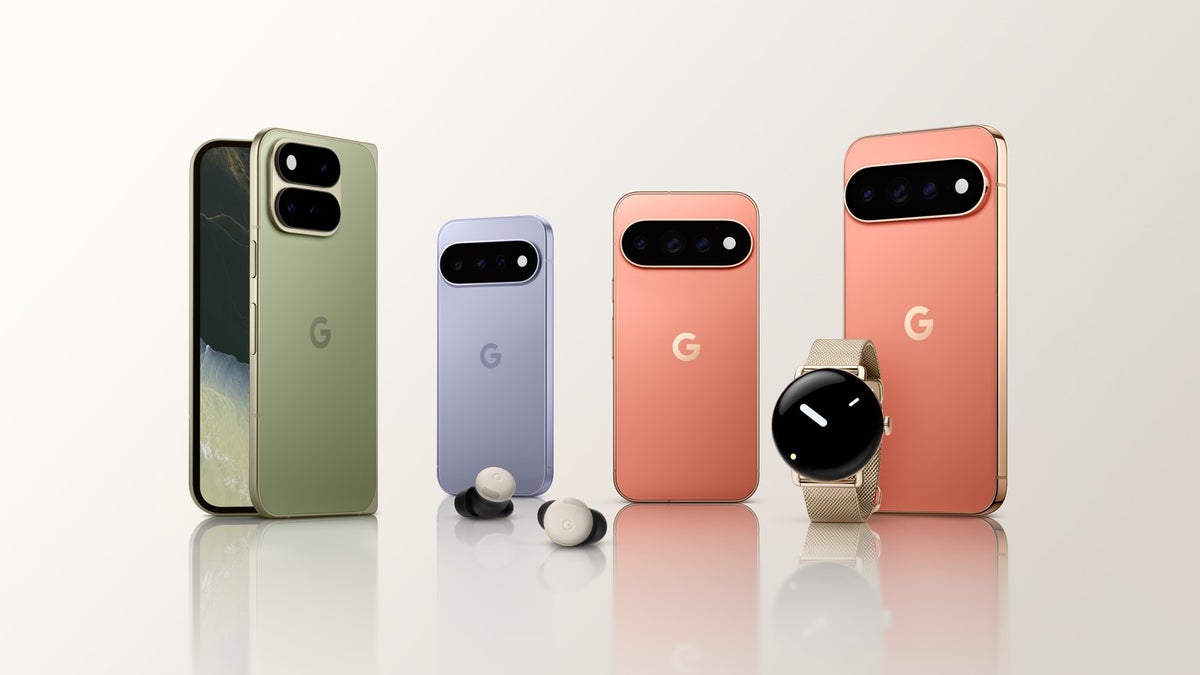
There are four models: the standard Pixel 11, the Pixel 11 Pro, the larger Pixel 11 Pro XL, and the Pixel 11 Pro Fold, which arrived alongside them rather than months later as Google has sometimes staggered foldables in the past. All now start at 256GB of storage — Google has dropped the base 128GB tier that anchored previous Pixel pricing, which is the quiet reason the 'entry' price looks higher even before you factor in inflation.
*UK pricing shifted more sharply than the US figure suggests: the Pixel 10 launched at roughly £799, so the Pixel 11's £879 starting price is a bigger jump proportionally in Britain than in America — worth knowing if you were assuming currency conversion alone explains the gap. Leaked pricing ahead of launch put the increase at roughly €100 and £80 over the previous generation, which lines up closely with the official figures above.
What's actually new, beyond the price?
The headline change under the hood is the Tensor G6 chip, which Google says is around 20% faster and 20% more power-efficient than the Tensor G5, with a TPU (the part handling on-device AI) that's up to 50% faster specifically at processing Gemini requests. In practice that shows up less as raw benchmark bragging rights and more as new AI party tricks: Magic Capture, which automatically grabs the best frame from a burst based on expressions and movement; real-time video translation with dubbed audio; and 'Rambler', a dictation mode that strips out your ums and filler words as you talk. Whether those features are worth £80-100 extra depends entirely on how much of your day is spent inside Google's camera and Gemini apps.
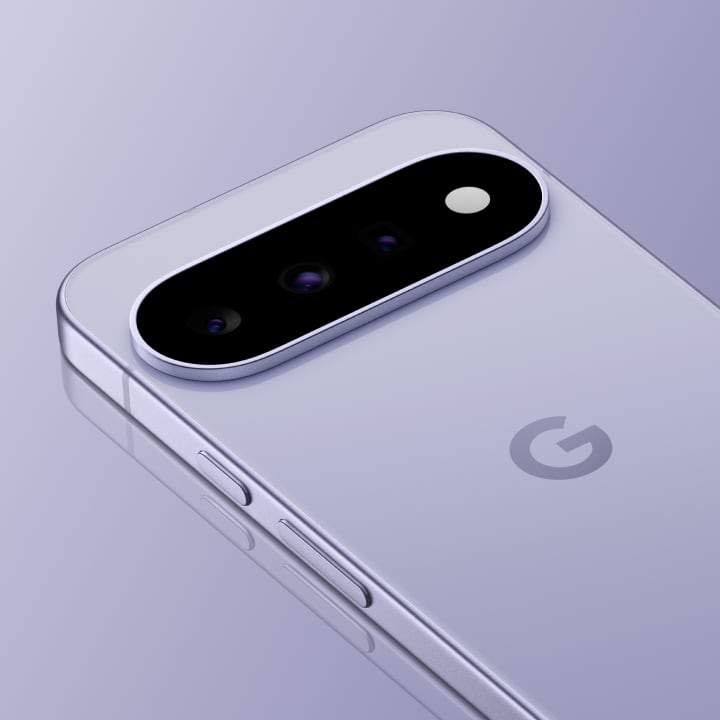
- Camera: the Pro and Pro XL get new 50MP main and 48MP telephoto sensors with up to 120x digital zoom, plus Instant Night Sight that Google claims is 4.5x faster than before. The base Pixel 11 gets a 48MP main sensor with a claimed 56% jump in light capture and a slimmer camera bar, but keeps a single ultrawide lens rather than the Pro's expanded array.
- Design: Pro models swap the old temperature sensor for a circular 'HiLight' LED cluster, move to Gorilla Glass Victus 2 for scratch resistance, and the Pixel 11 Pro Fold is around 1mm thinner than its predecessor with a composite back panel Google claims is far harder to crack.
- Battery and charging: all models are rated for 30-plus hours of mixed use, and Pro models charge to 75% in 30 minutes wirelessly — a real, usable jump rather than a marketing rounding error.
- Security: the Titan M3 chip adds post-quantum cryptography support ahead of NIST's rollout of quantum-resistant standards — genuinely future-facing, if invisible day to day.
Is the Pixel 11 worth it, or should you buy a Pixel 10 instead?
If you're coming from a Pixel 8 or older — or from an iPhone and want to try Android — the Pixel 11 is a straightforwardly good, if not cheap, flagship, and the AI features are genuinely more useful than most 'AI phone' marketing. If you already own a Pixel 10, this is not a compelling upgrade year: Google's own performance claims (20% faster, 50% faster TPU) describe iterative gains, not a generational leap, and the price increase eats most of the goodwill a spec bump would normally earn. The more interesting move for value-conscious buyers is actually sideways: with the Pixel 11 now on shelves, Pixel 10 stock is being discounted by UK and US retailers well below its original launch price, and for most day-to-day use — camera quality, screen, software support — the gap between the two generations is narrower than the price gap implies.
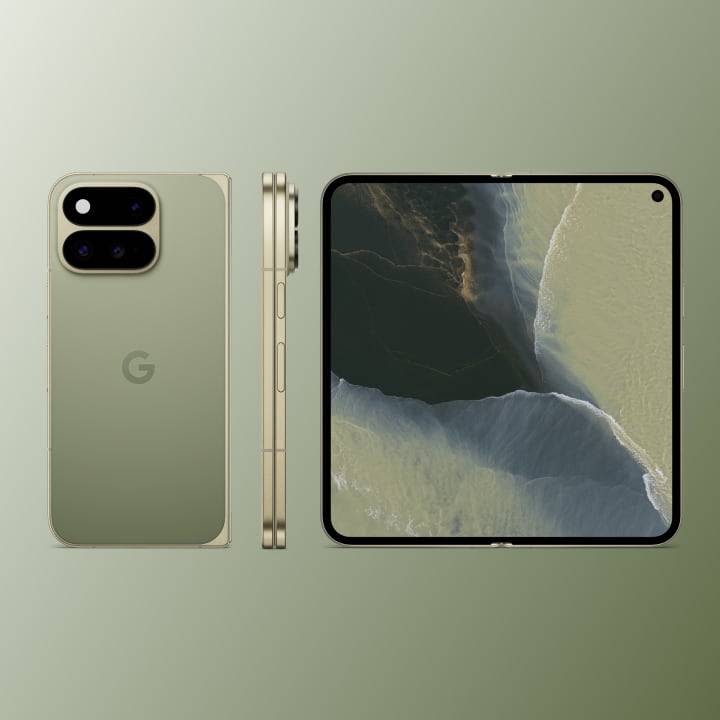
The Pixel 11 range is available directly from Google Store, as well as through UK carriers and retailers including Carphone Warehouse and O2, and US carriers such as Verizon and T-Mobile. The Pixel 11 Pro Fold specifically competes most directly with Samsung's Galaxy Z Fold7, which remains the best-selling book-style foldable in most Western markets.
Pixel 11 vs iPhone 18: how do the prices actually compare?
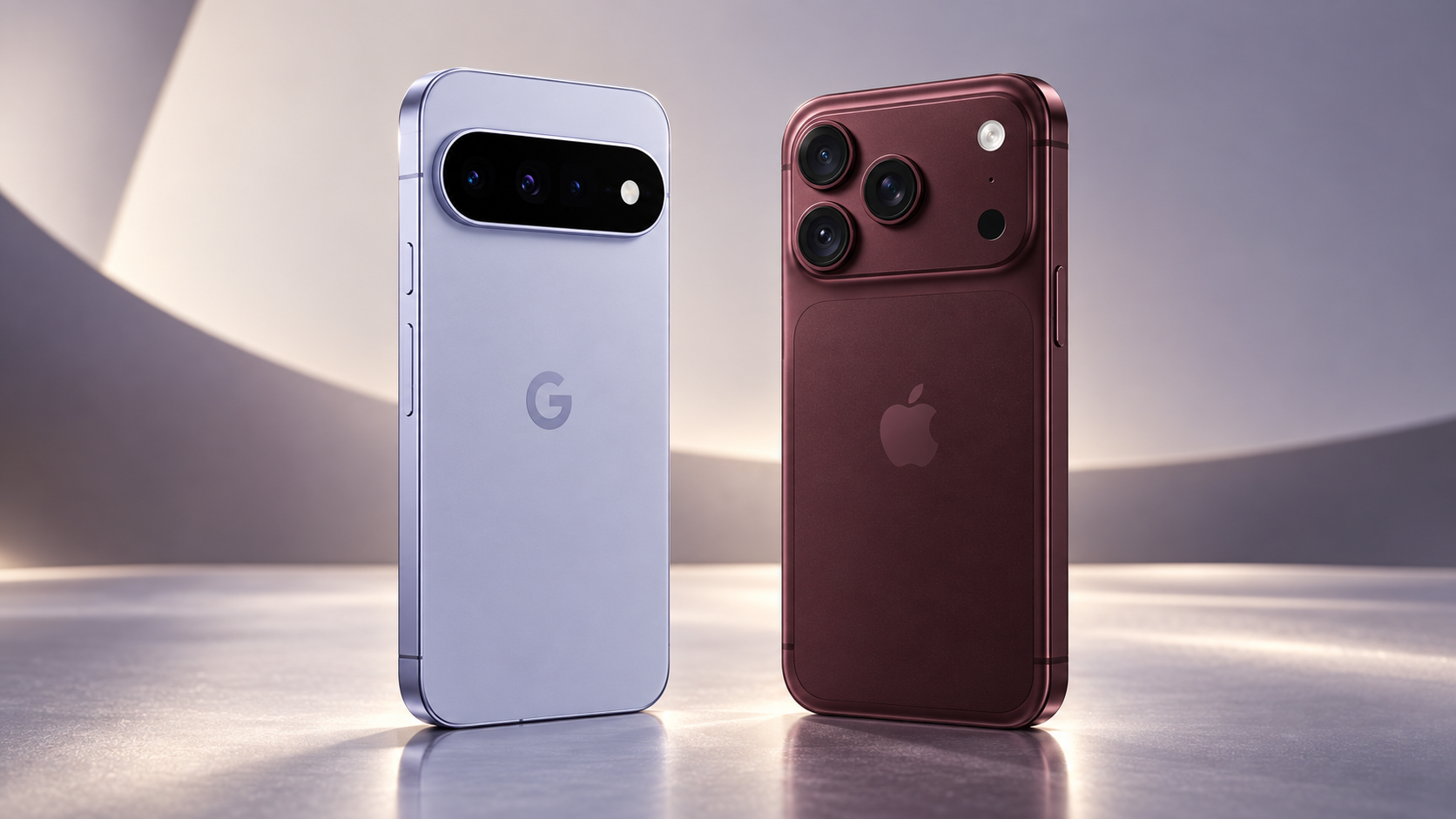
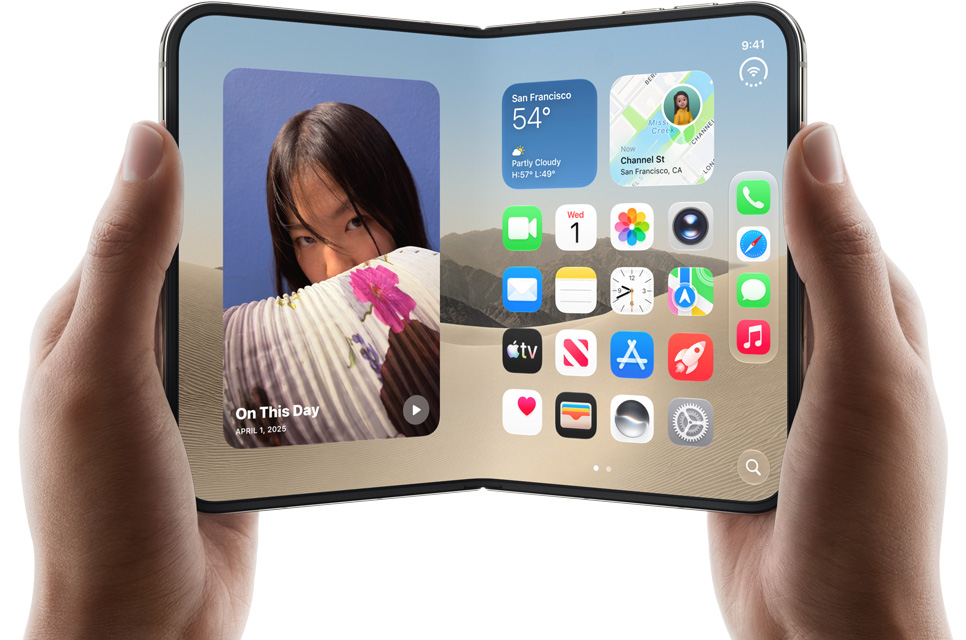
This is the question a lot of shoppers are typing into search bars right now, given the two launches landed within a month of each other. Apple's iPhone 18 Pro now starts at $1,199 (up $100 from the previous generation), which puts it above the Pixel 11 Pro's $1,099 but below the Pro XL's $1,299 — so neither brand is meaningfully 'the cheap option' at the top end this year. The more telling comparison is at the entry tier: the standard Pixel 11 at $899 sits well above where Google's base-model phones used to land, narrowing the gap to Apple's own standard iPhone rather than undercutting it the way Pixels once reliably did. If price alone is your deciding factor, it's worth comparing this year's entry-level models from both brands directly, rather than assuming Android is automatically the budget choice — that's no longer a safe assumption at the flagship end of either lineup.