Apple has finally made a foldable iPhone — and it is not trying to be subtle about it.
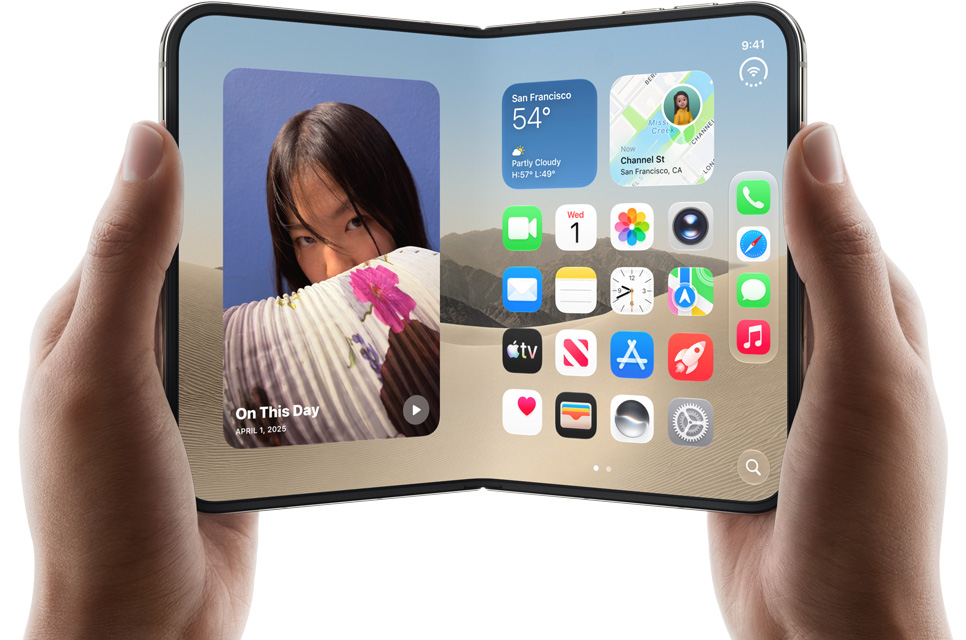
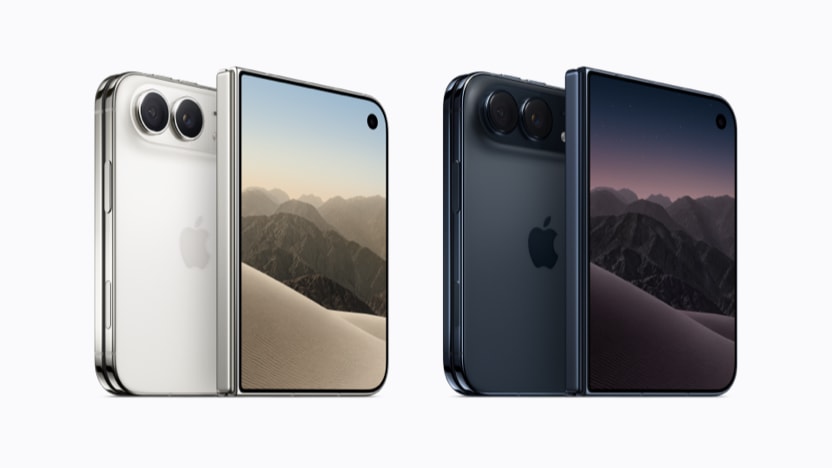
The new iPhone Duo is Apple’s first folding smartphone, opening from a compact 5.4-inch outer display into a 7.6-inch inner screen. It is the biggest display Apple has ever put on an iPhone, and it arrives with an equally big starting price: $1,999 in the US and €2,339 in the Netherlands.
That puts the Duo in a very different category from a normal annual iPhone upgrade. This is Apple asking whether people are ready to pay laptop-level money for a phone that can also behave like a small tablet.
The screen is the whole point
Closed, the iPhone Duo is designed to work like a compact everyday phone. Open it and the 7.6-inch inner display becomes the main attraction. Apple says the inner screen is 50% larger than the iPhone 18 Pro Max, with ProMotion, Always-On support and up to 3,000 nits of peak outdoor brightness.
The interesting part is not simply that the screen folds. Apple has redesigned iOS 27 around the extra space. Split View lets two apps run side by side on an iPhone for the first time, users can open two windows of the same app, and app pairs can be saved for quick access later. Apple says Netflix, Zoom and Slack are already adapting their interfaces for the new format.
Apple also uses a nano-texture finish on the inner display to reduce glare and make the fold less visually distracting. In early hands-on testing, The Verge described the crease as difficult to see in normal use, although long-term durability will only become clearer once the phone has spent months in real users’ pockets.
It is powerful, but there are compromises
Inside, the Duo uses the same A20 Pro chip as the iPhone 18 Pro models, along with a custom vapor chamber for sustained performance. Apple claims up to 31 hours of video playback on the inner display, 44 hours on the outer display, or around 24 hours of mixed use across both screens.
The camera system is more restrained than the Pro line. There are two 48MP rear cameras — a main and an ultra-wide — with a 2x optical-quality crop from the main sensor rather than a dedicated telephoto lens. That is still a serious camera setup, but buyers choosing between the Duo and an iPhone 18 Pro Max will have to decide whether the folding screen matters more than maximum camera flexibility.
The foldable design does create a few genuinely useful camera tricks. Duo Preview can show the person you are photographing a live preview on the outer display, while the rear cameras can also be used for higher-quality selfies. The phone can prop itself up for hands-free calls or video, and Apple has built Touch ID into the side button so authentication works whether the device is open or closed.
Apple is entering a market that is still niche
Apple is arriving late to foldables compared with Samsung, Huawei and other Android brands, but the category is still small enough that the iPhone Duo could reshape it. Reuters notes that foldables are expected to remain a small share of the overall smartphone market even as Apple’s arrival raises their profile.
That timing may actually work in Apple’s favour. Rather than being first, the company has waited until foldable hardware, hinges, displays and software conventions are far more mature. The Duo looks less like an experiment and more like Apple’s attempt to make the form factor feel mainstream.
Still, $1,999 is a difficult price to ignore. In the Netherlands, the €2,339 starting price makes the Duo substantially more expensive than a standard flagship phone. It is likely to appeal first to early adopters, heavy multitaskers, frequent travellers and Apple users who already carry both an iPhone and an iPad Mini-sized device.
So, should you buy one?
For most people, probably not immediately.
The iPhone Duo is exciting because it changes what an iPhone can physically do, not because it offers the best value in Apple’s lineup. If you mainly want the strongest camera system, conventional ergonomics and a lower price, the iPhone 18 Pro range will make more sense.
But if the idea of one device switching between phone, mini-tablet, video screen and two-app workspace genuinely fits how you work or travel, the Duo is the first iPhone in years that feels like a completely new category rather than a refinement.
Pre-orders open on October 16, with availability beginning October 23 in the first wave of markets. That gives potential buyers a little time to decide whether Apple’s most ambitious iPhone in years is worth being an early adopter for.